Plan
Porto de Galinhas FAQ
Short, sourced answers to the most common questions from visitors to Porto de Galinhas.
Updated on October 5, 2026 ✓ Information checked on October 5, 2026 adapted from the Portuguese original
Here are the most common questions about Porto de Galinhas, with short answers and the source for each piece of information. To go deeper, follow the links to the full guides.
Where is Porto de Galinhas?
In the municipality of Ipojuca, on the southern coast of the Brazilian state of Pernambuco. It is not a separate city: it is a beach and tourist district of Ipojuca. According to the IBGE 2022 Census, the municipality had 98,932 inhabitants. The origin of the name is in the last question on this page.
Which airport should I use?
Recife/Guararapes – Gilberto Freyre International Airport (REC), run by Aena. According to Ipojuca City Hall, the beach is about 60 km south, roughly an hour by car via the PE-009 highway.
Can I get there without a car?
Yes. There are taxis, ride-hailing apps, transfers and metropolitan bus lines 191 and 195 Recife/Porto de Galinhas. In October 2026, the official Grande Recife Consortium fare was BRL 14.80 (Brazilian reais) on line 191 and BRL 22.50 on line 195. In the village, almost everything is within walking distance. See how to get there.
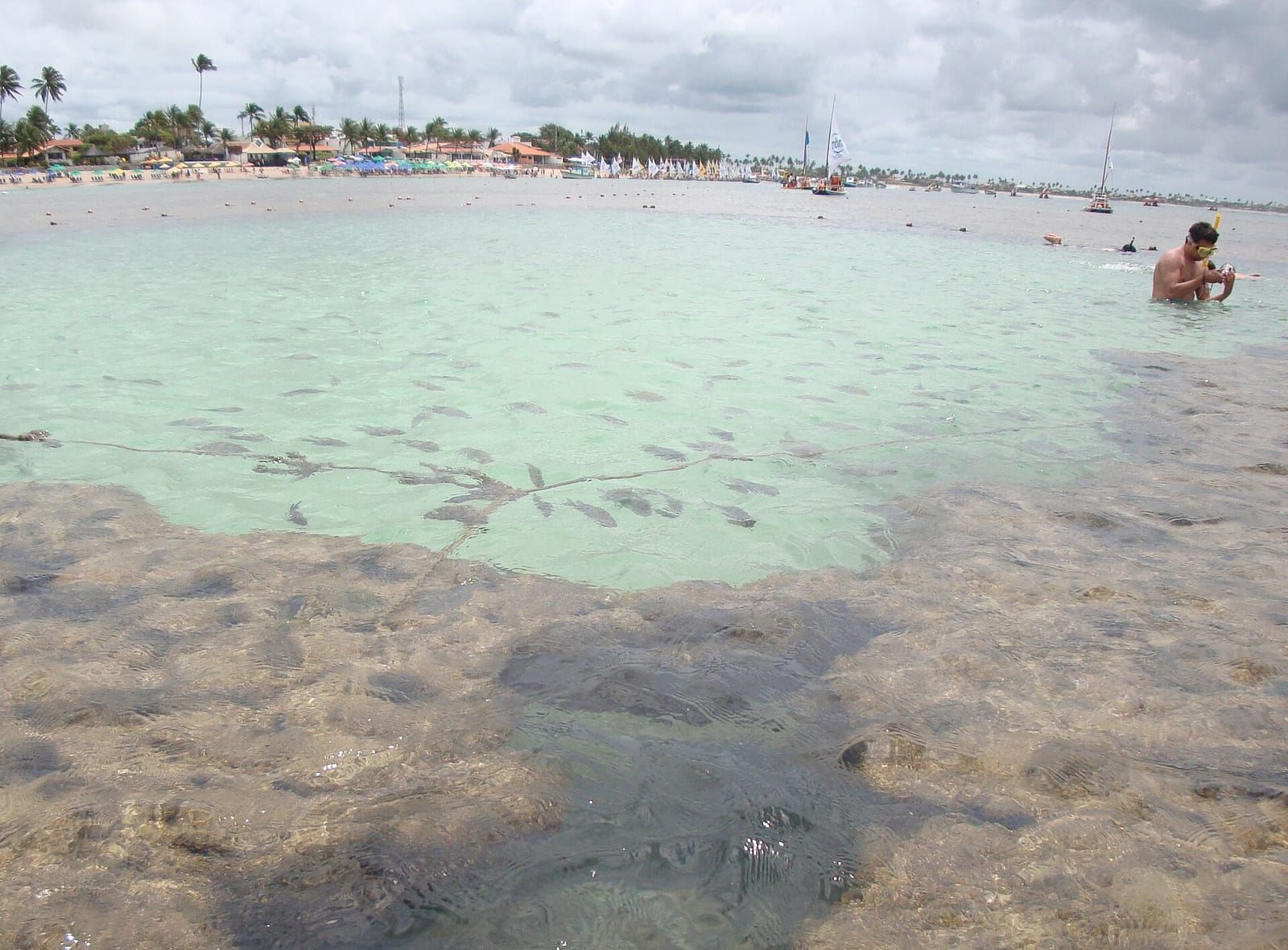
What do I need to see the natural pools?
Low tide. Ipojuca City Hall recommends going at low tide, preferably in the morning. Jangadas (traditional raft boats) take visitors to the pools. Learn to read the forecast in the tide table.
How much is the jangada ride?
According to the Porto de Galinhas Jangadeiros Association, in Oct 2026: BRL 60 per person from age 7 (cash or Pix, Brazil’s instant bank transfer) or BRL 63 by card; BRL 30 for ages 4 to 6 (BRL 33 by card); free up to age 3. Confirm on the association’s website before you go. Details in jangada boat ride.
What is the best time of year?
According to INMET’s 1991-2020 climate normals for Recife, April to July bring most of the rain, peaking in June. September to March are drier. The average high varies little, between 28 °C and 31 °C (roughly 82 °F to 88 °F).
Does it rain a lot in winter?
June (Southern Hemisphere winter) is the rainiest month, averaging about 390 mm in Recife. Rain comes in showers, with sunny spells in between. Always have a plan B.
Is the water warm?
According to Ipojuca City Hall, the water temperature is usually around 27 °C (about 81 °F) all year round.
Are there sharks?
CEMIT, a Pernambuco state government committee, considers the 33 km stretch between Olinda and Praia do Paiva an area of concern, according to SEMAS-PE. Porto de Galinhas lies to the south. The general advice still applies. Details in safety.
Can I feed the fish?
No. Ipojuca City Hall asks that no one feed the fish or step on or touch the coral.
How many days should I stay?
Three to five days are enough for the pools, the neighboring beaches and a day trip. Ideally, make sure you have at least one day with low tide in the morning.
Can I visit the neighboring beaches on the same day?
Yes. Muro Alto, Cupe, Maracaípe and Serrambi are on the same stretch of the Ipojuca coast. The city hall mentions the buggy ride as a way to see several of them. You can also go by car, taxi or ride-hailing app.
Do I need a rental car?
It is not essential. In the village, almost everything is within walking distance. A car helps if you are staying in Muro Alto, Cupe, Maracaípe or Serrambi, or if you want to do day trips at your own pace.
Where should I stay?
It depends on your style. The village is convenient and lively, Muro Alto and Cupe have the resorts, Maracaípe is quieter and Serrambi is more secluded. Compare in where to stay.
Is it good for children?
Yes, with precautions. At low tide, the water in front of the village and in the pools is calm, but there is coral and there are deeper spots. See Porto de Galinhas with kids.
What can I do on a rainy day?
The village, handicrafts, food, Ipojuca’s historic center and a day trip to Recife and Olinda. The guide to Porto de Galinhas on rainy days, in the related reading, covers each option in detail.
Why the name Porto de Galinhas?
Porto de Galinhas means “Port of Chickens”. According to Ipojuca City Hall, the name dates from the time when the trade in enslaved people had already been banned. They arrived hidden under crates of guinea fowl, and “there are new chickens in the port” was the code used to announce their arrival.
Frequently asked questions
Is Porto de Galinhas a city?
No. Porto de Galinhas is a beach and tourist district in the municipality of Ipojuca, on the southern coast of the Brazilian state of Pernambuco.
How far is it from Recife airport?
According to Ipojuca City Hall, about 60 km south, roughly an hour by car via the PE-009 highway.
Do I need low tide for the natural pools?
Yes. Ipojuca City Hall recommends visiting the pools at low tide, preferably in the morning, and checking the tide table first.
Are there sharks in Porto de Galinhas?
The CEMIT area of concern described by SEMAS-PE runs from Olinda to Praia do Paiva, in Cabo de Santo Agostinho. Porto de Galinhas lies south of that stretch. Even so, follow safe-swimming advice and the lifeguards' instructions.
What is the best time of year to go?
From September to March there is less rain, according to INMET climate normals for Recife. In any month, choose days with low tide in the morning.
Keep reading
Keep planning
-
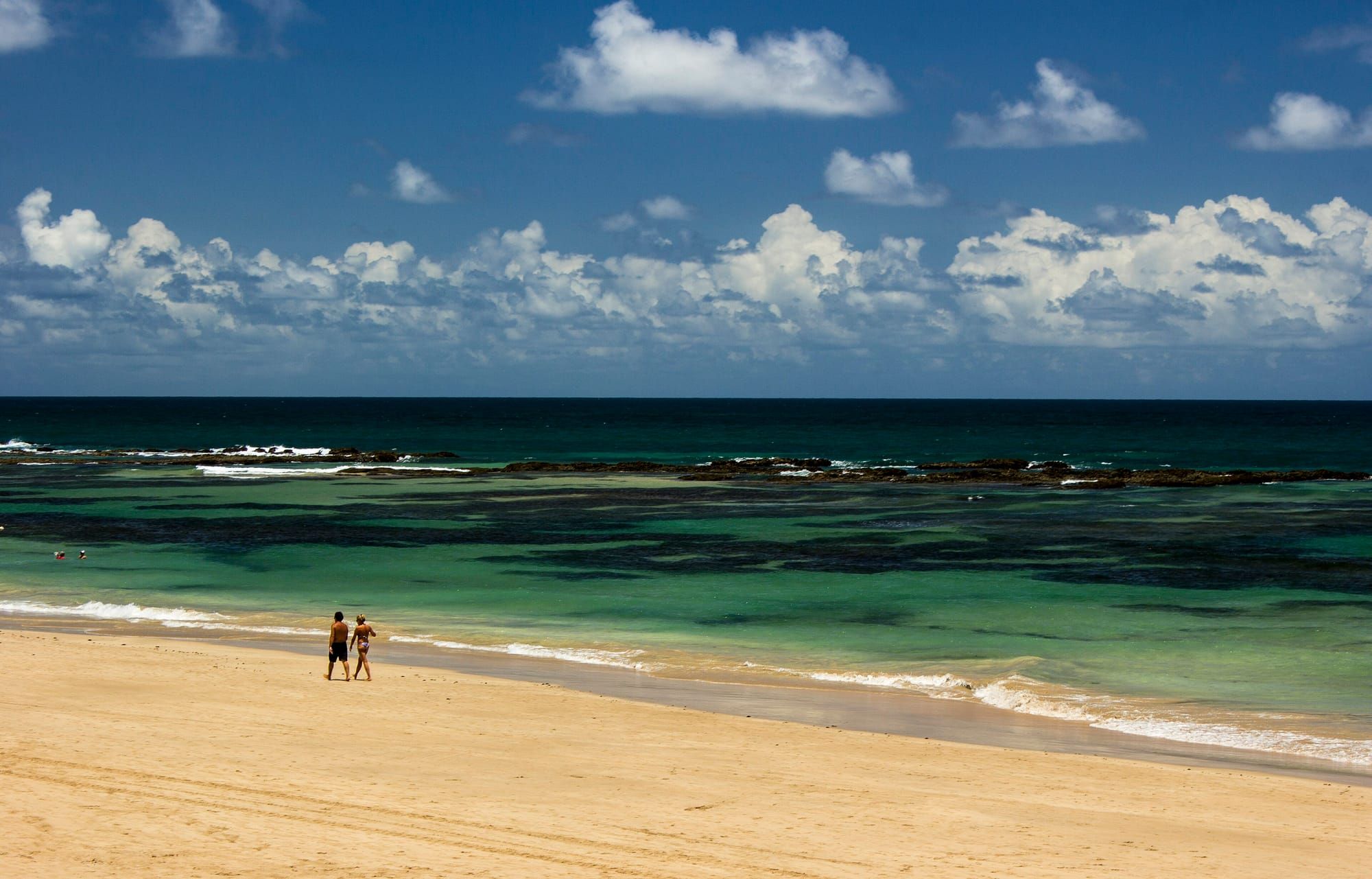 Plan your trip to Porto de Galinhas Everything to decide before you go: season, tides, transportation, budget and safety, with a checklist. Read guide
 -
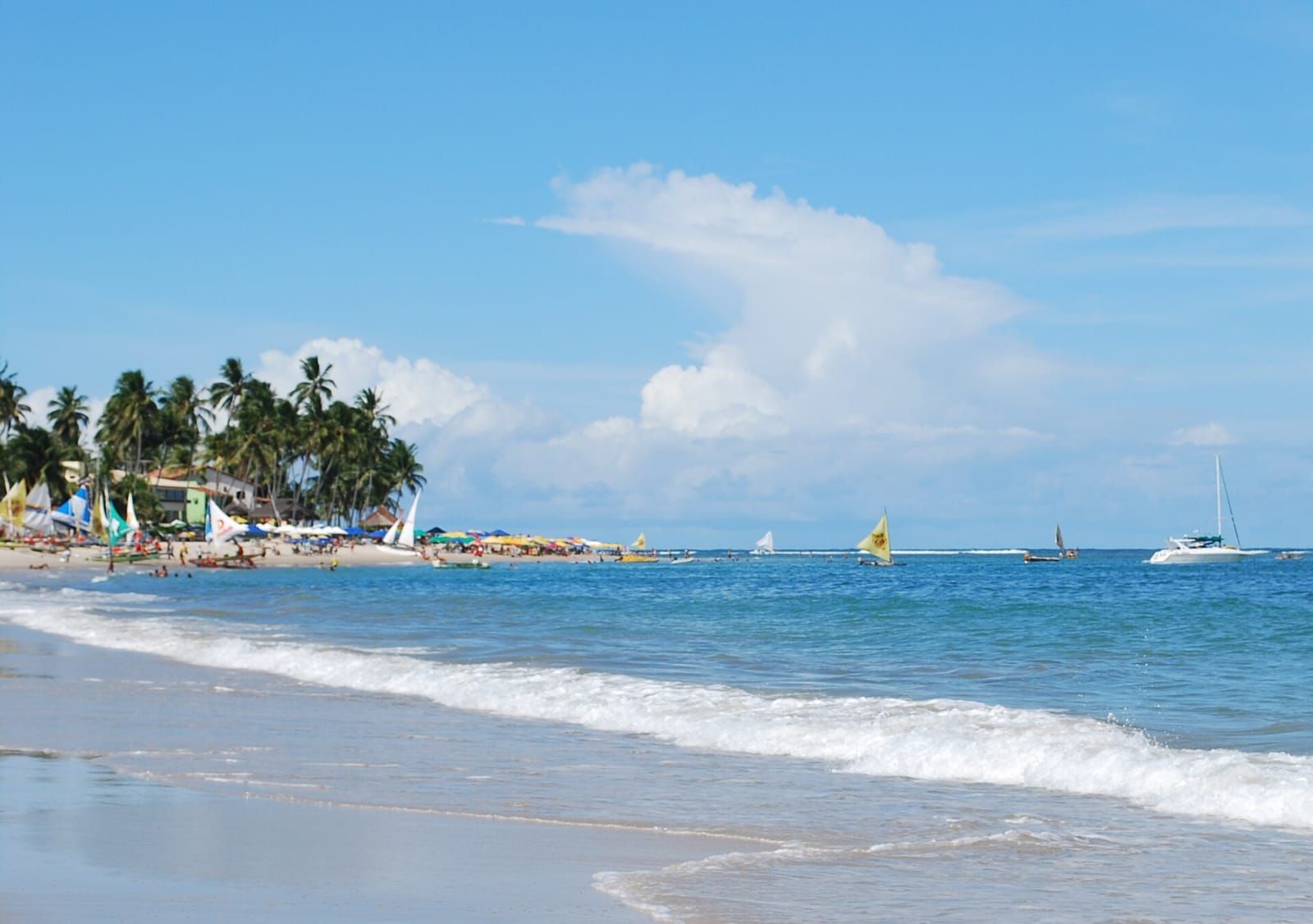 History of Porto de Galinhas and Ipojuca A name that holds the memory of the illegal slave trade, in a municipality shaped by sugar mills. Read guide
 -
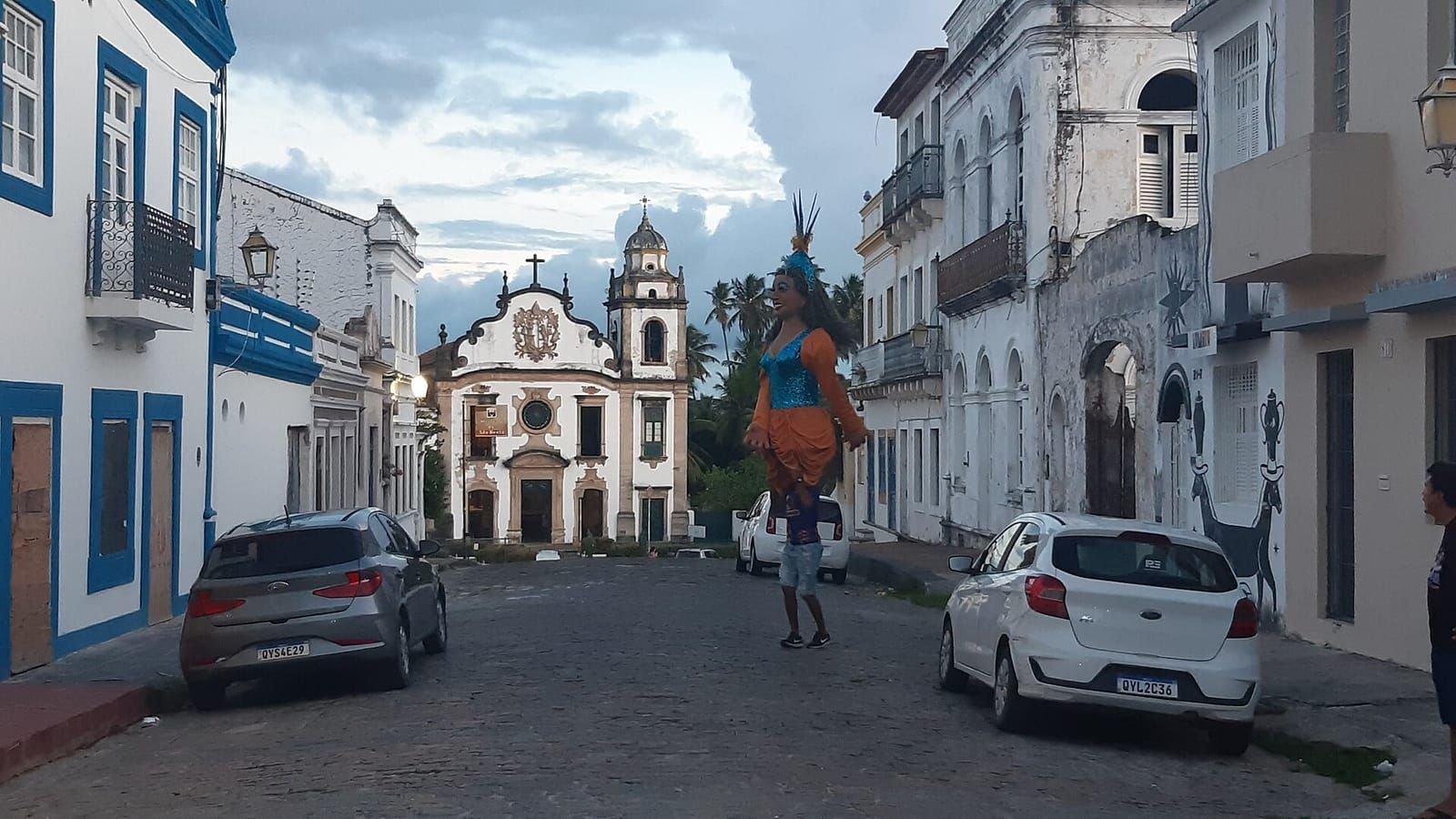 Porto de Galinhas on rainy days: what to do Rain in Porto de Galinhas usually comes in showers. See how to rearrange your day and what to do when the weather turns. Read guide