Tours
Diving in Porto de Galinhas: snorkeling, try dives and wrecks
From snorkeling in the village pools to scuba diving on shipwrecks: what there is, who it suits and how to do it safely.
Updated on October 5, 2026 ✓ Information checked on October 5, 2026 adapted from the Portuguese original
Porto de Galinhas has diving for all levels. The simplest is snorkeling in the natural pools, with a mask and snorkel. There is also scuba diving, from try dives for beginners to shipwrecks for certified divers. In every case, the tide and visibility rule the day.
The three levels
| Type | Where | Who it suits | Depends on |
|---|---|---|---|
| Snorkeling | Natural pools, Muro Alto, stretches of Serrambi | People who can swim | Low tide and a calm sea |
| Try dive with a tank | Shallow spots chosen by the operator | Beginners with an instructor | Sea conditions |
| Scuba diving | Reefs and shipwrecks off Serrambi | Certified divers | Sea, visibility, certification |
Snorkeling in the natural pools
The natural pools in front of the village are the most popular spot. Ipojuca City Hall mentions colorful fish and coral and lists snorkeling and diving among the activities. You get there by jangada (traditional raft boat) at low tide.
At Muro Alto, the wall of reefs forms a pool of calm water. The city hall mentions fish watching with a snorkel there. At Serrambi, some reef-sheltered stretches are also good for snorkeling at low tide.
Official tide times come from the Brazilian Navy tide tables for Porto de Suape. See how to use them in the tide table.
Try dive with a tank
A try dive is your first experience with scuba gear. An instructor stays with you the whole time, after a briefing on land. Choose an operator whose instructors are accredited by a recognized certification agency. Mention any health problems, such as ear or heart conditions. The operator may ask for a medical assessment.
Shipwrecks off Serrambi
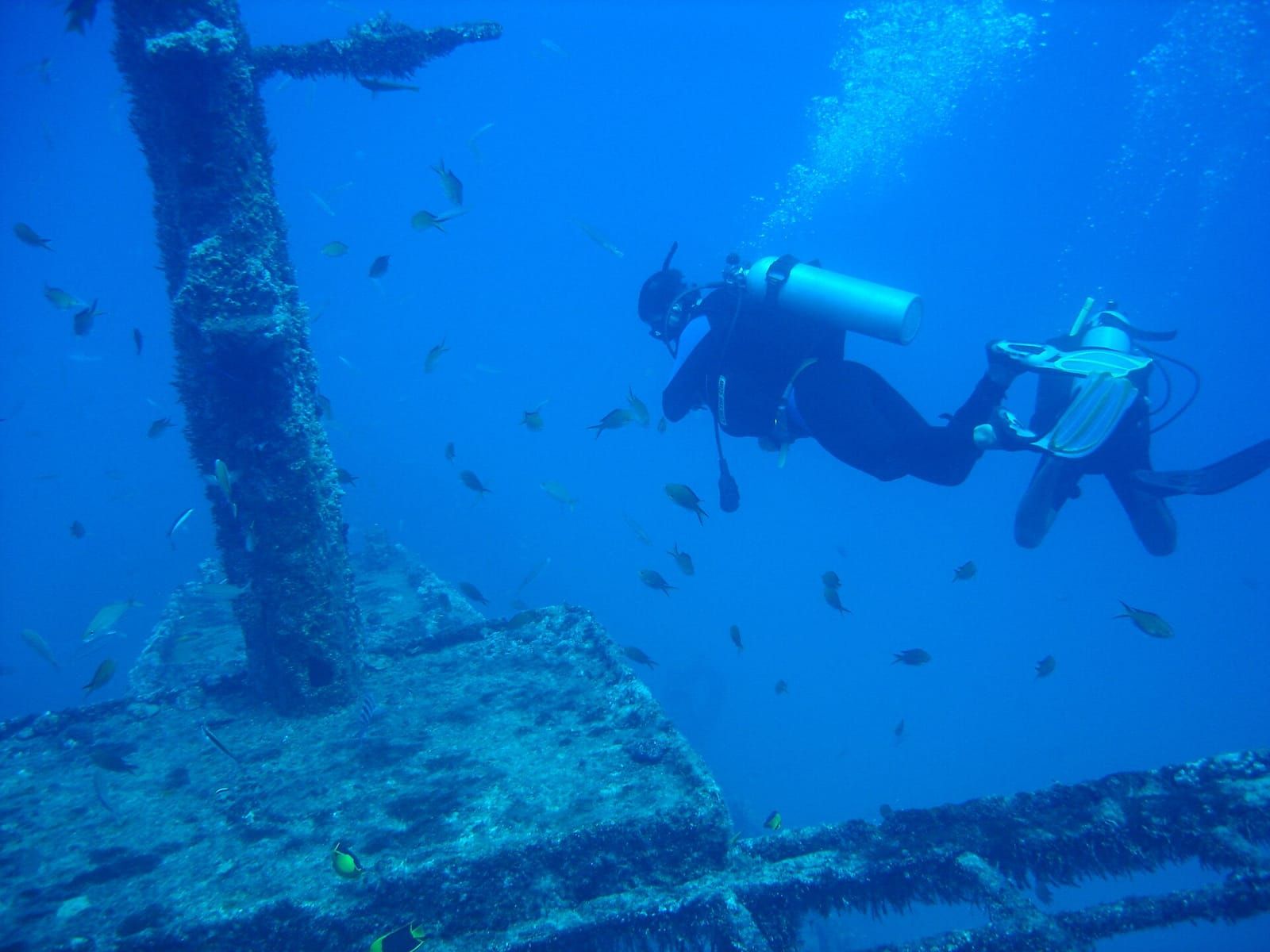
Dive operators and centers mention wrecks around 30 meters deep off Serrambi:
- Marte tugboat: sunk on purpose in 1998 to become an artificial reef, at about 32 m, according to the Brasil Mergulho website.
- Gonçalo Coelho: a landing ship sunk in 1999 as an artificial reef, according to Wikipedia.
- Galeão Serrambi: an old, broken-up wreck at about 34 m, linked by a line to the Marte, according to Brasil Mergulho.
These are deep dives for divers with matching certification and experience. Confirm with the operator the required level, the use of nitrox and the conditions on the day.
Gear
For snorkeling, a well-fitting mask, a snorkel and short fins are enough. If you are not a strong swimmer, wear a life jacket. A rash guard protects your back from the sun, as it is exposed the whole time. Water shoes help you get in and out without stepping on sea urchins or coral.
For scuba diving, the operator provides the equipment. Certified divers should bring their certification card and logbook, which the operator may ask for.
Environmental rules
Ipojuca City Hall asks for three things: do not touch the coral, do not feed the fish and pick up your trash. In practice, that also means:
- not standing on the reefs;
- not taking shells, coral or animals;
- using sunscreen sparingly and letting it dry before getting in;
- keeping your distance from turtles and other animals.
When to go
Visibility varies with rain, wind and season. The drier period usually favors diving. See the time of year in when to go to Porto de Galinhas.
Fitting it into your itinerary
Snorkeling fits into any low-tide morning. Scuba diving takes half a day. Certified divers may want to set aside two days for wrecks. Compare outings in Porto de Galinhas tours and read the general advice in Porto de Galinhas safety.
Attractions mentioned
-
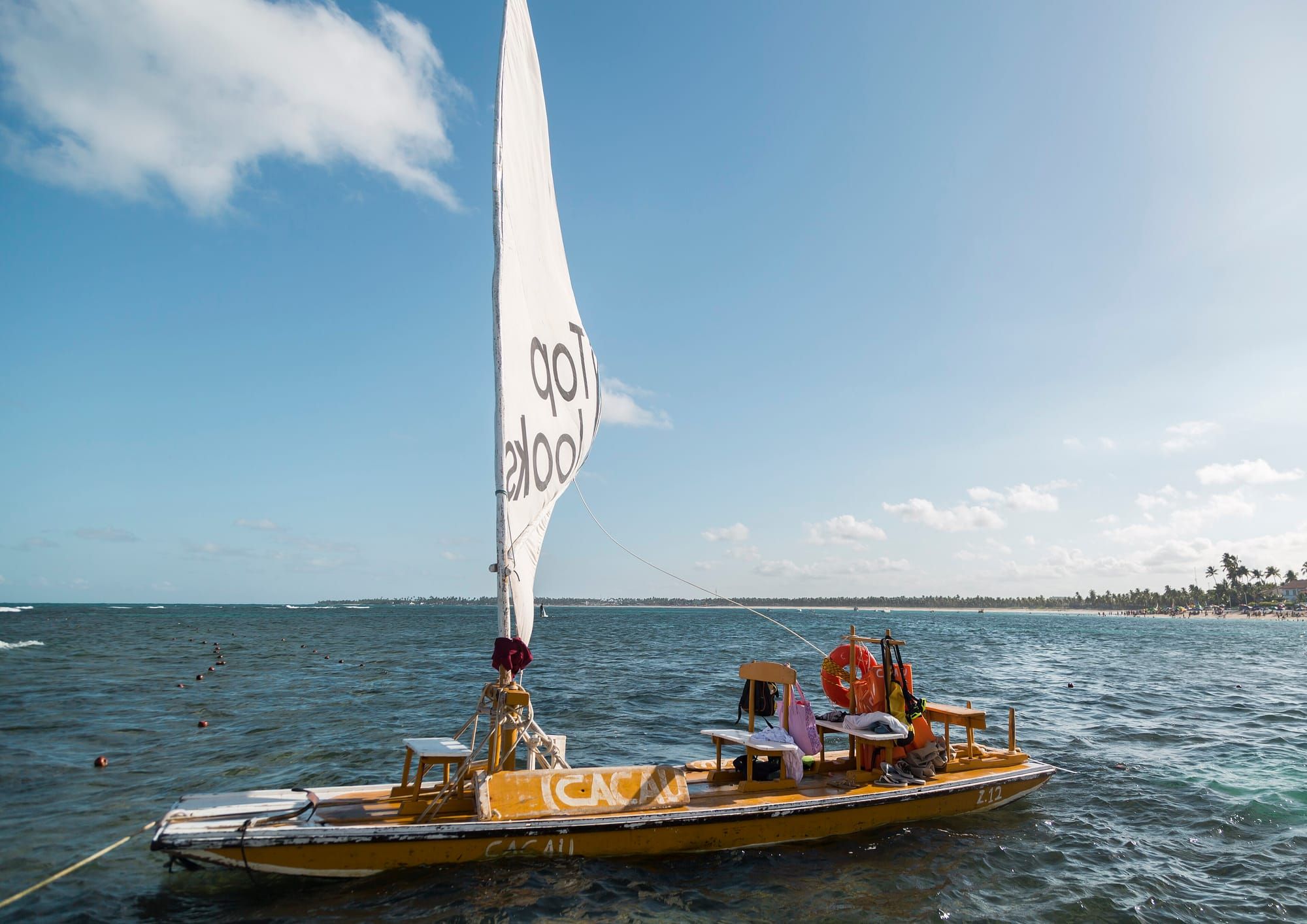 Tide-dependent Natural pools Porto de Galinhas village Porto de Galinhas Natural Pools The pools appear between the reefs at low tide, right off the village. The usual way to reach them is by jangada (traditional raft boat) with accredited boatmen. See details
 -
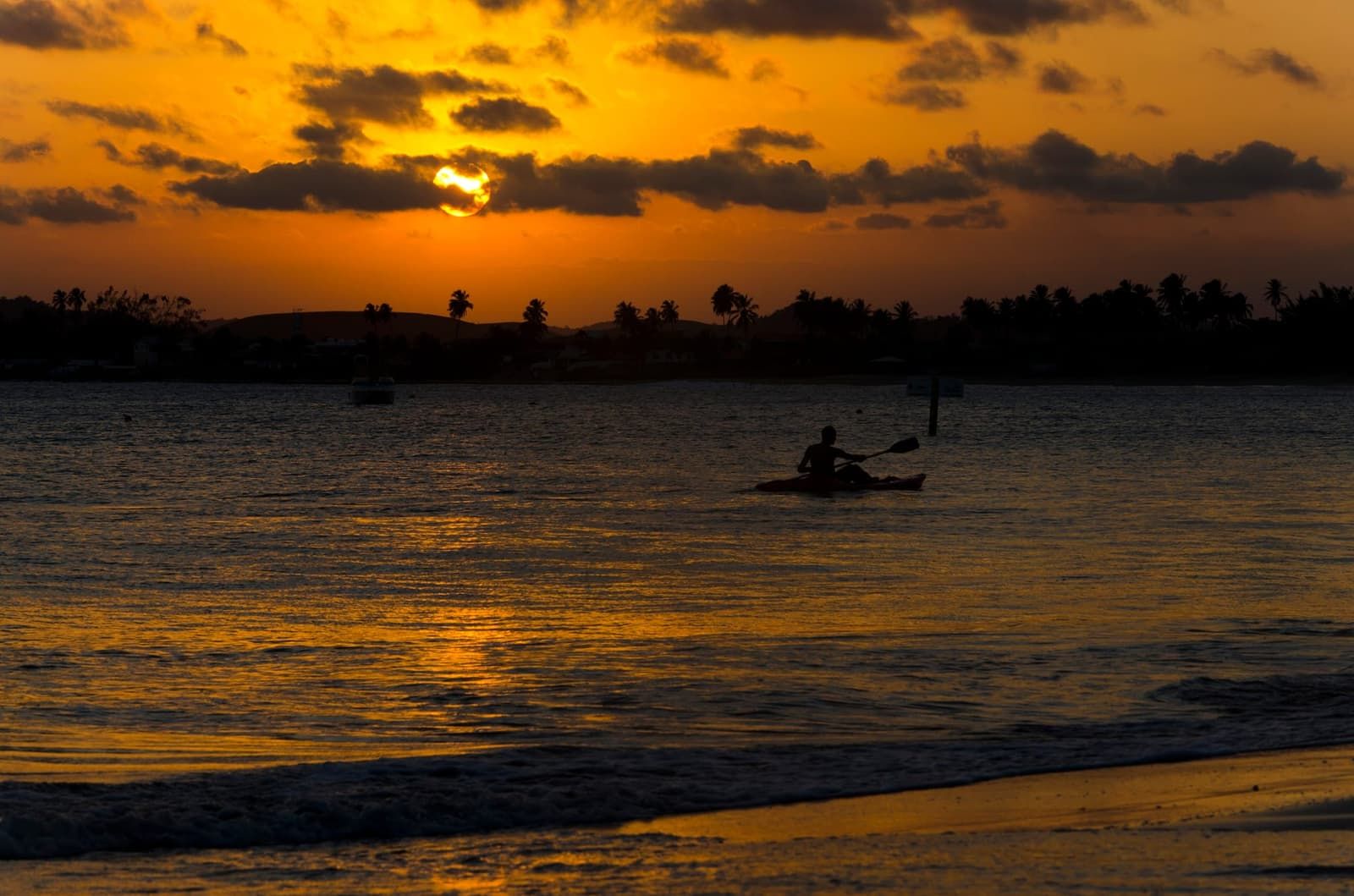 Free accessTide-dependent Beach South coast of Ipojuca Serrambi Beach A beach in southern Ipojuca, between Pontal de Maracaípe and Toquinho, with one side sheltered by reefs and the other open to the sea. Quieter than the village. See details
 -
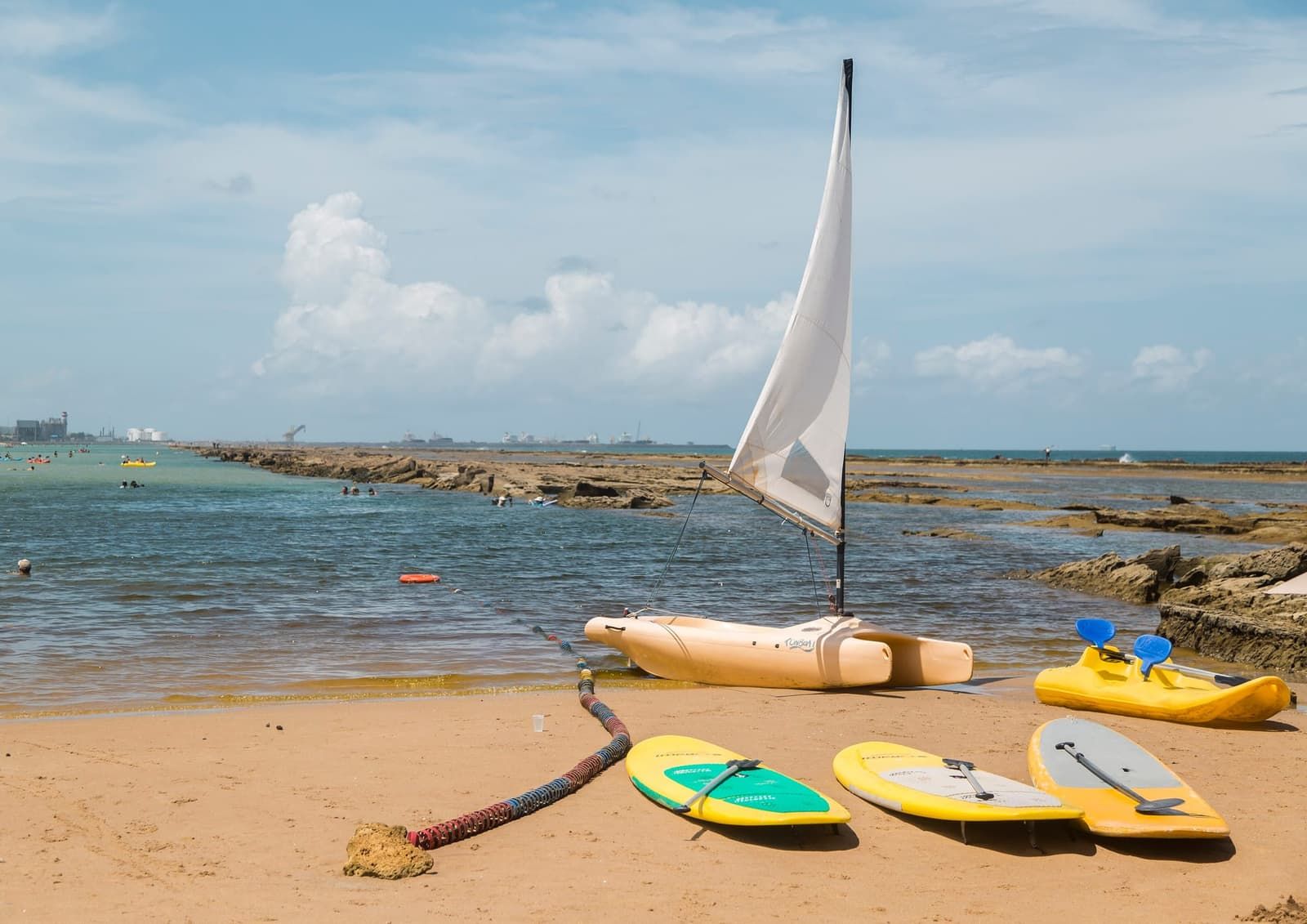 Free accessKidsTide-dependent Beach North coast of Ipojuca Muro Alto Beach The wall of reefs that gives the beach its name holds back the waves and creates a natural pool of calm, warm water about 3 km long. It is the reason many people make the trip. See details
Frequently asked questions
Do I need to know how to swim to snorkel in the natural pools?
Being able to swim makes it safer. In the pools, the depth varies with the tide and between the reefs. Wear a life jacket if you are not confident and stay close to the group.
Can someone who has never dived go down with a tank?
Yes, as a try dive (called batismo in Brazil), always with an instructor from a dive operator. The operator gives a briefing and may turn away people with health restrictions.
Are the wrecks suitable for beginners?
No. The wrecks that operators mention off Serrambi are around 30 meters deep. They require appropriate certification; confirm the level with the operator.
Can I feed the fish in the pools?
No. Ipojuca City Hall advises not feeding the fish, not touching the coral and picking up your trash.
Keep reading
Keep planning
-
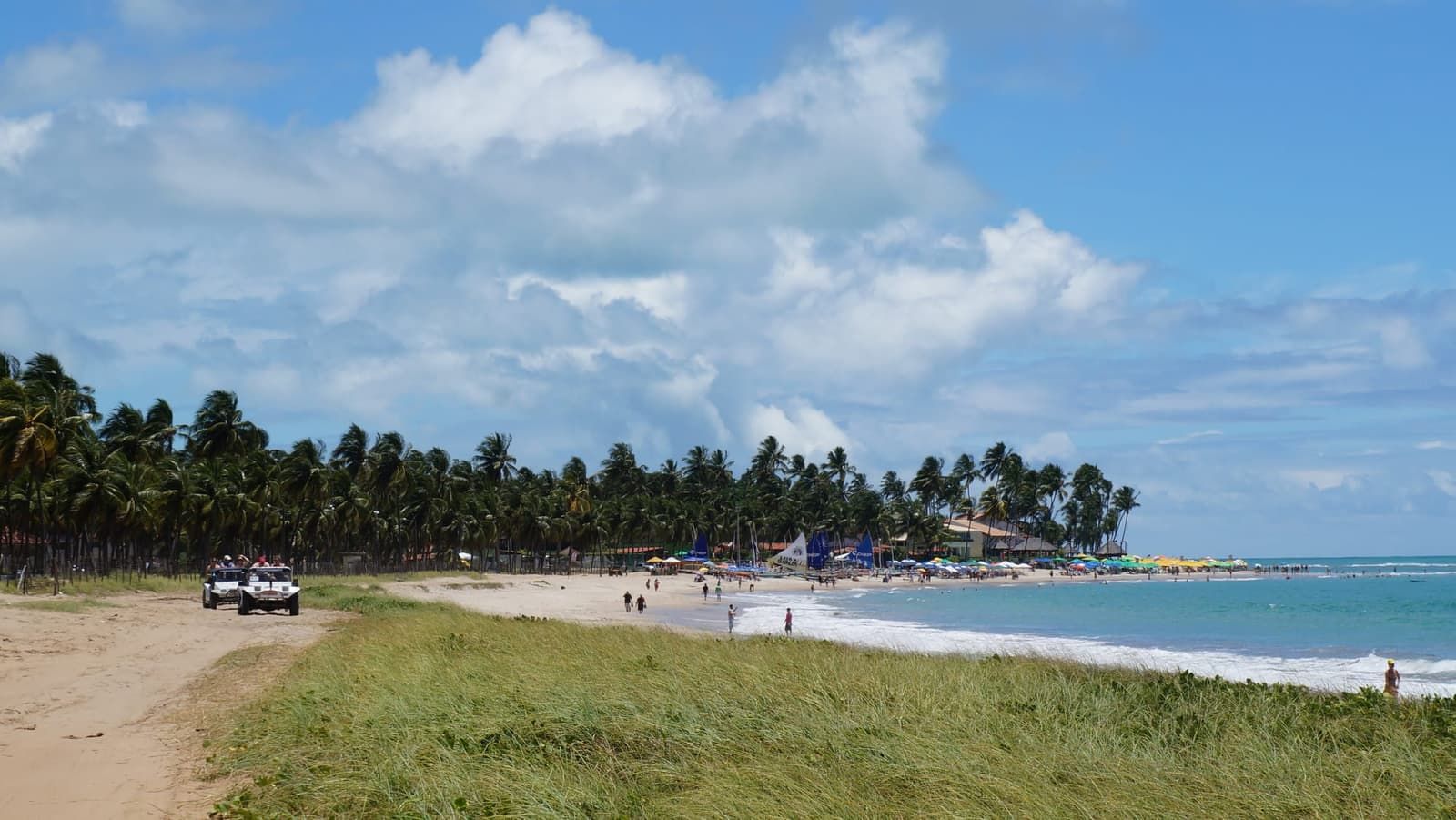 Porto de Galinhas tours and outings The classic Porto de Galinhas outings compared by duration, tide dependence and type of traveler. Read guide
 -
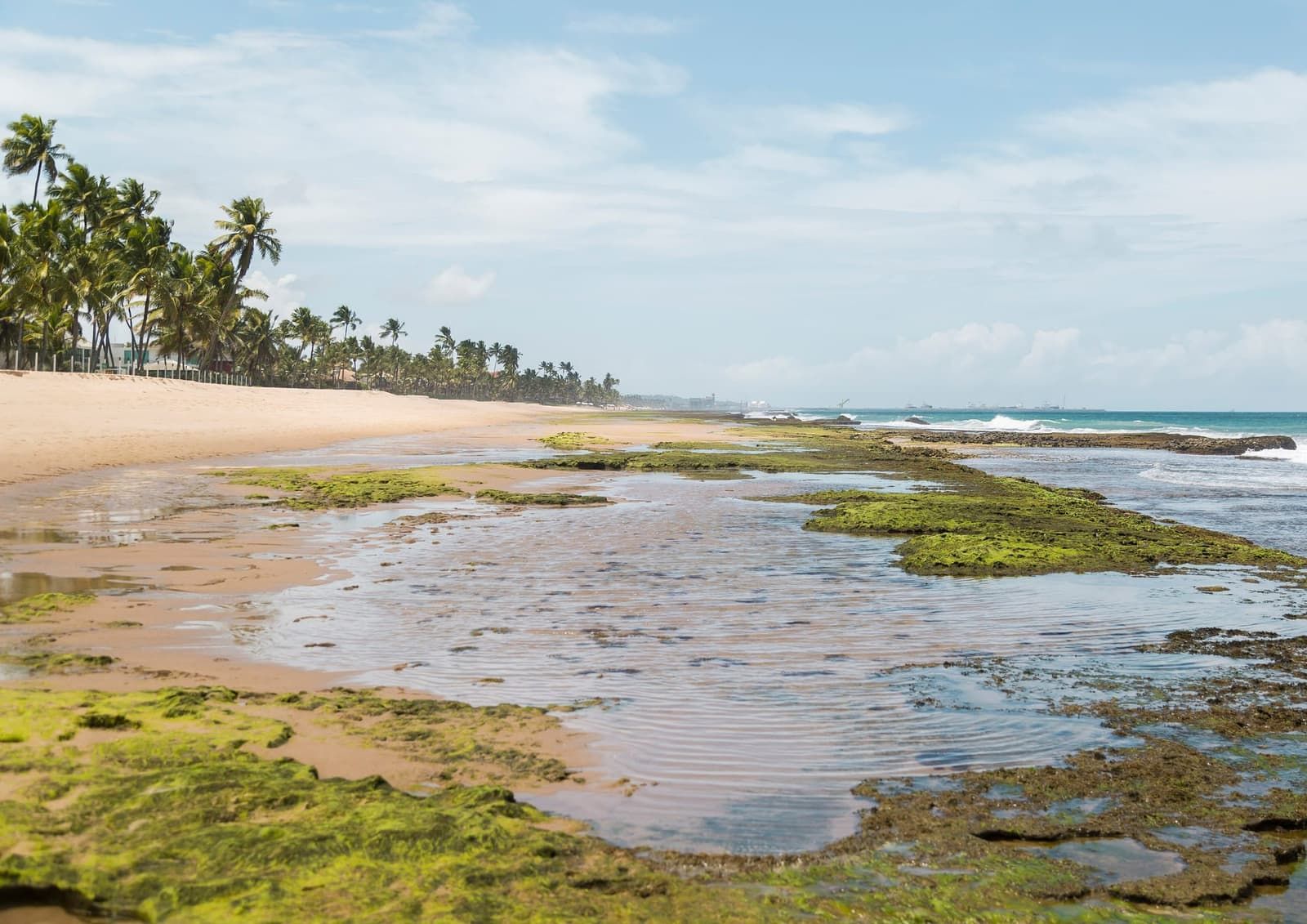 Porto de Galinhas tide table: how to read it and where to check Understand high tide, low tide and tide height, and use the official Navy forecast to choose your day for the natural pools. Read guide
 -
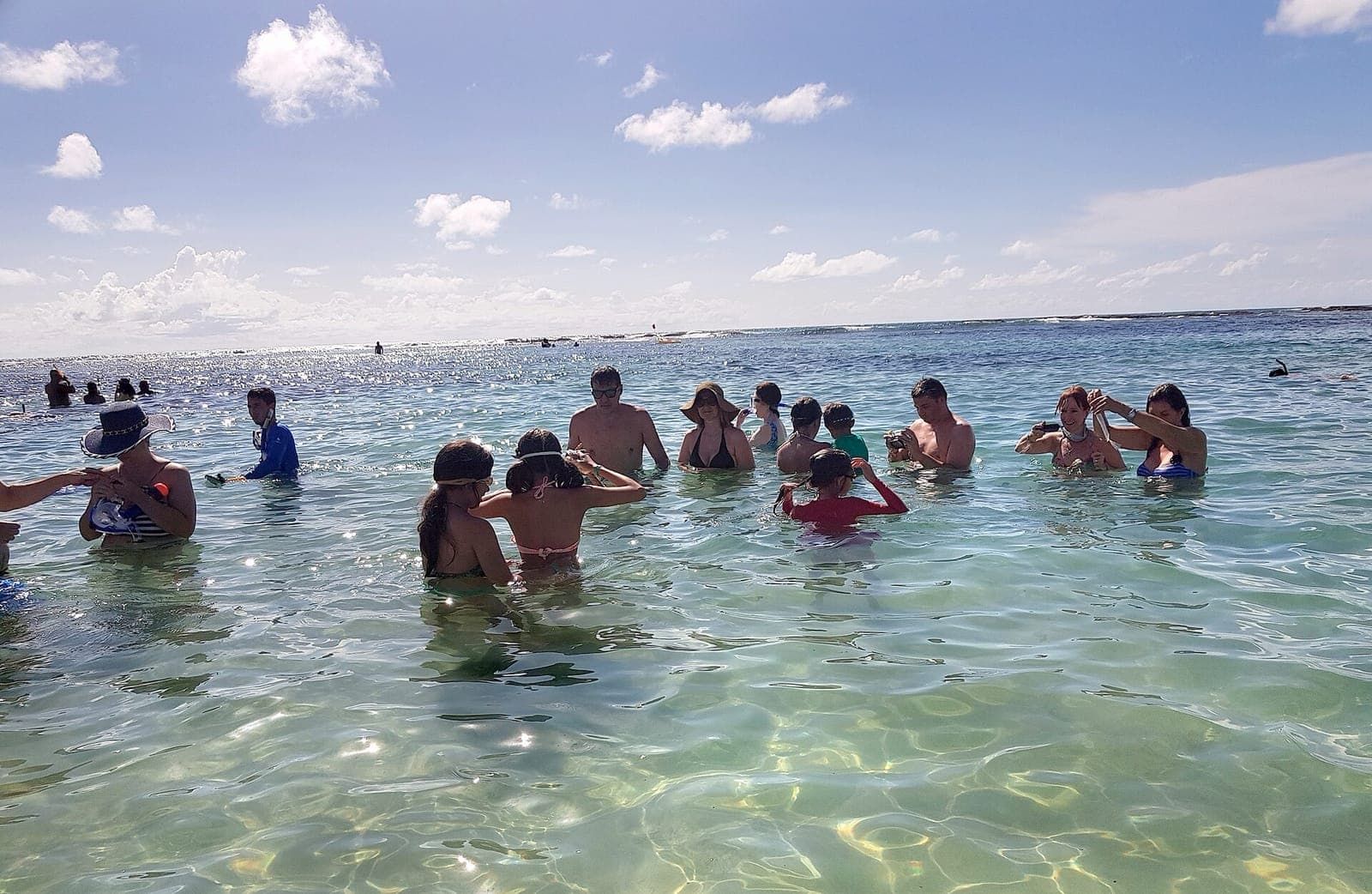 Safety in Porto de Galinhas: sea, reefs, sun and town What to watch out for in the sea, in the natural pools and on the sand, and what official sources say about sharks on the Pernambuco coast. Read guide