Plan
History of Porto de Galinhas and Ipojuca
A name that holds the memory of the illegal slave trade, in a municipality shaped by sugar mills.
Updated on October 5, 2026 ✓ Information checked on October 5, 2026 adapted from the Portuguese original
Porto de Galinhas is now one of the best-known beach destinations in the Brazilian state of Pernambuco. Its curious name, however, holds a painful memory of the era of slavery. This guide sums up the origin of the name, how Ipojuca took shape and the official data on the municipality.
The origin of the name
Porto de Galinhas means “Port of Chickens”. Ipojuca City Hall explains that the name dates back to the time when the slave trade had already been banned. Even after the ban, enslaved people continued to be brought in secretly. They arrived hidden under crates of guinea fowl, and the expression “there are new chickens in the port” was the code announcing the landing.
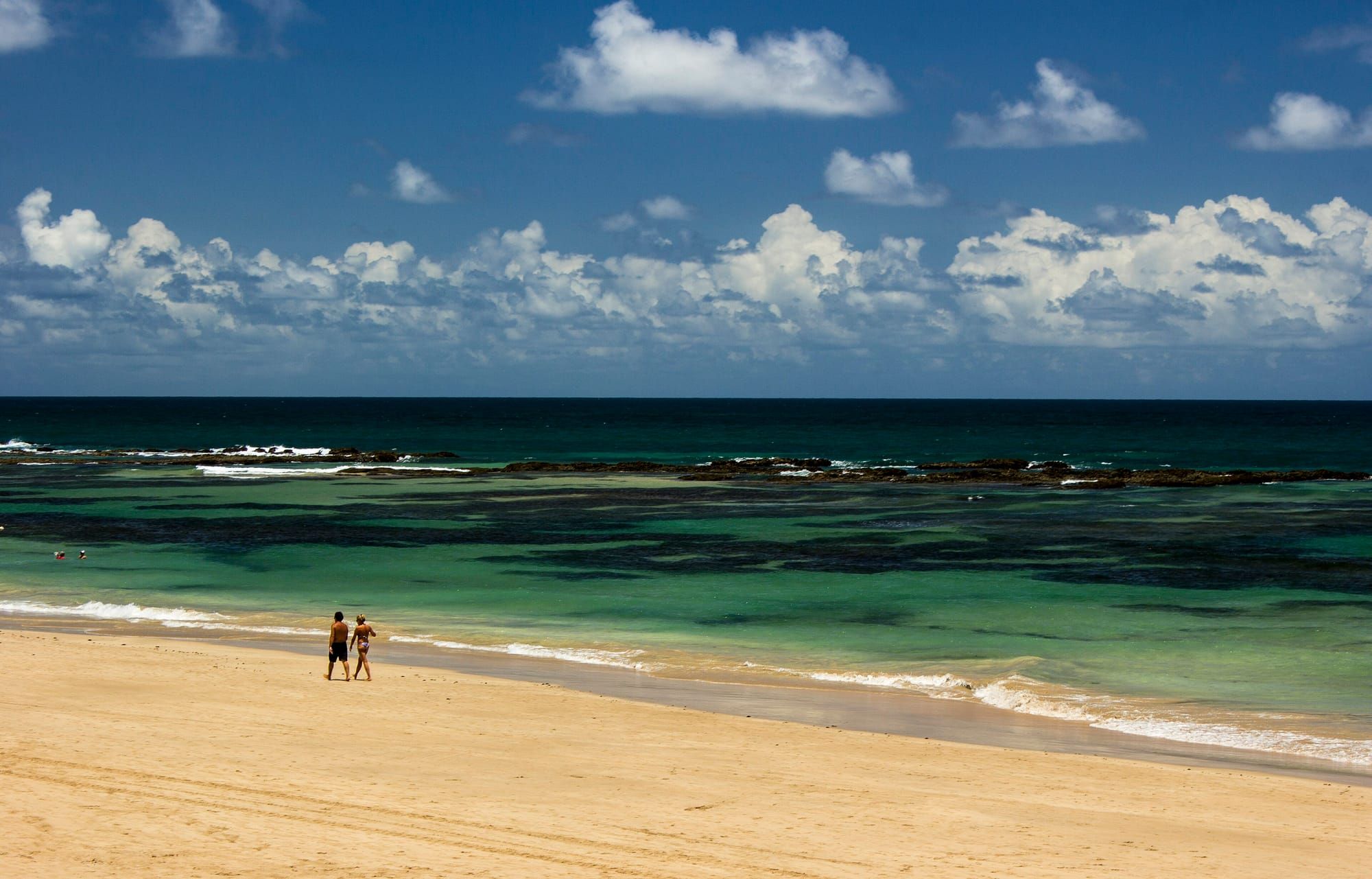
The ban on the slave trade to Brazil was consolidated in 1850 by the Eusébio de Queirós Law. The illegal trade continued for some time at discreet spots along the coast, and the reef-sheltered cove of Porto de Galinhas became associated with this episode.
According to the city hall, the historical name remained and is now part of the place’s identity. It is worth knowing it for what it is: a reminder of the violence of slavery, not just a tourist curiosity.
Ipojuca: sugar mills and natural harbors
Porto de Galinhas is not a municipality. It is a beach and tourist district of Ipojuca. Colonial settlement of the region began in the 16th century. According to Wikipedia, colonization advanced from 1560 onward, after conflict with the Indigenous Caeté people, and relied on sugar mills (engenhos) set up on massapê soil, a fertile clay ideal for sugarcane.
The territory had two important natural harbors: Suape and Porto de Galinhas. The first gave rise to today’s Suape Industrial Port Complex, which shares territory with Cabo de Santo Agostinho. The second gradually changed from a village of jangadeiros (raft boatmen) and fishermen into a tourist destination.
The seat of the municipality moved several times. Again according to Wikipedia, the town had its seat in Nossa Senhora do Ó, then in São Miguel de Ipojuca, returned to Nossa Senhora do Ó in 1890, and the locality was raised to city status on June 6, 1896. Today, the administrative center is in the town of Ipojuca, home to the Ipojuca historic center.
The name Ipojuca
The municipality is named after the Ipojuca River, which crosses its territory. A common interpretation links the word to the Tupi language, meaning marshy or swampy ground. This etymology is recorded in reference sources such as Wikipedia, but this guide found no official confirmation.
Ipojuca in numbers
| Indicator | Value | Source |
|---|---|---|
| Population (2022 Census) | 98,932 inhabitants | IBGE |
| Estimated population (2025) | 106,539 inhabitants | IBGE |
| Land area | 521.8 km² | IBGE |
| Population density (2022) | 189.6 inhabitants/km² | IBGE |
| Microregion (IBGE division) | Suape | IBGE |
| Mesoregion (IBGE division) | Recife Metropolitan | IBGE |
| Municipality code | 2607208 | IBGE |
Ipojuca combines two strong economic profiles: industry and the Suape port on one side, and coastal tourism on the other. Porto de Galinhas, Muro Alto, Cupe, Maracaípe and Serrambi make up the municipality’s tourist strip.
From a village of raft boatmen to a tourist destination
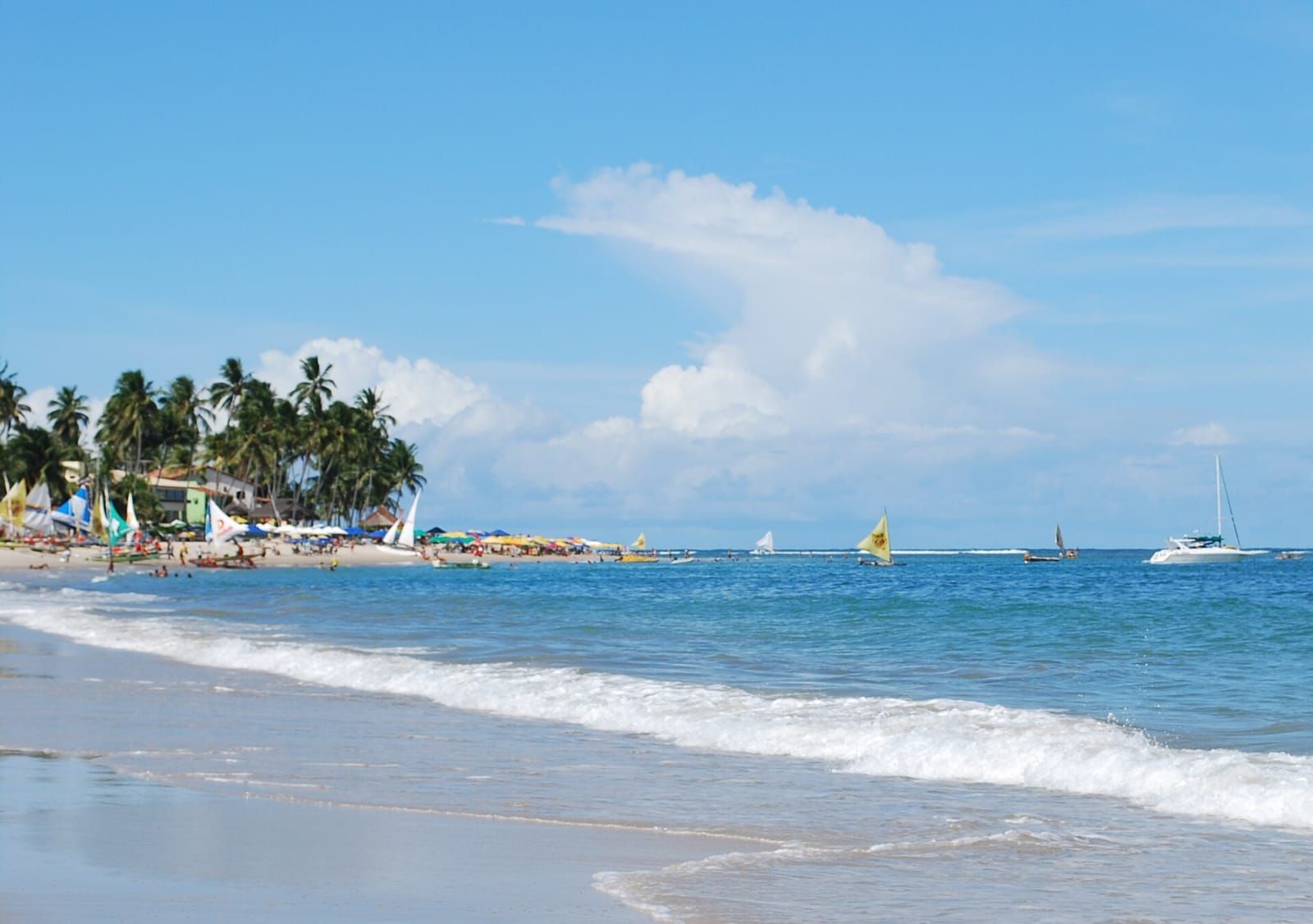
The jangadas (traditional raft boats) that now take visitors to the natural pools are a legacy of small-scale fishing on the Pernambuco coast. Ipojuca City Hall highlights the role of guides and jangadeiros in conserving the area, which lies in an environmental protection zone.
When you visit, you move through this history in layers: the reef-sheltered cove, the memory of the illegal trade, the fishing jangadas and the village that grew with tourism. To organize your trip, start with plan your trip.
Attractions mentioned
-
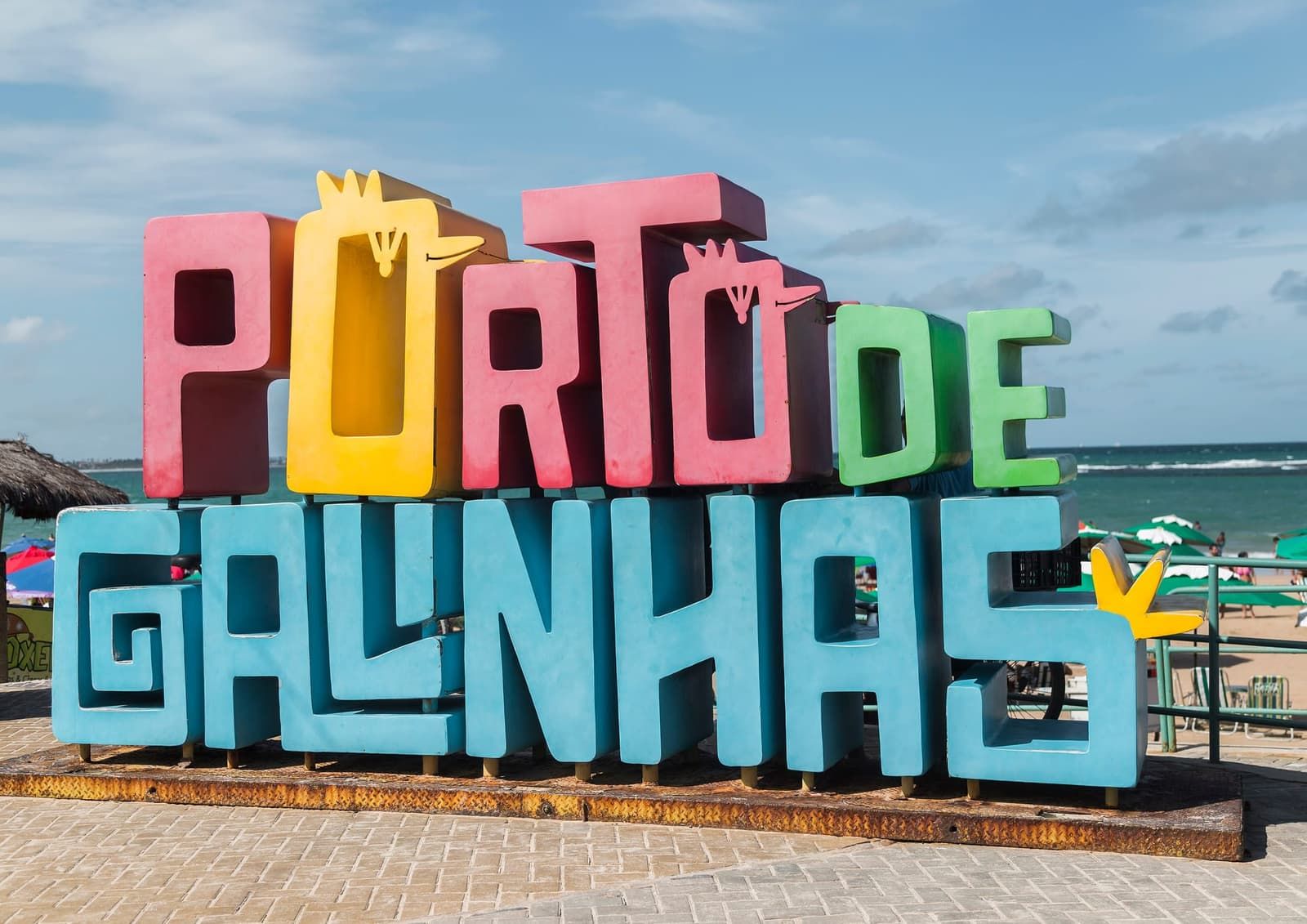 Free access Village Porto de Galinhas village Porto de Galinhas Village The small center of Porto de Galinhas, right by the main beach, with shops, handicrafts and nightlife. Best explored on foot, at high tide. See details
 - History and culture Surroundings Ipojuca Historic Center The town that is the seat of the municipality, about 13 km from Porto de Galinhas, has one of the oldest Franciscan convents in Brazil. A good plan for a rainy day. See details
Frequently asked questions
Why is the beach called Porto de Galinhas?
Porto de Galinhas means 'Port of Chickens'. According to Ipojuca City Hall, after the slave trade was banned, enslaved people were brought in hidden under crates of guinea fowl. The phrase 'there are new chickens in the port' was the code that announced their arrival, and the name stuck.
Which municipality does Porto de Galinhas belong to?
Ipojuca, a municipality in the Recife metropolitan region, on the southern coast of Pernambuco. In IBGE's regional division, it is part of the Suape microregion.
How many people live in Ipojuca?
The IBGE 2022 Census counted 98,932 inhabitants in Ipojuca, in an area of about 521.8 km². IBGE's population estimate for 2025 is 106,539 inhabitants.
What does Ipojuca mean?
The municipality is named after the Ipojuca River. A common interpretation, recorded on Wikipedia, links the word to the Tupi language and the meaning of marshy ground. We did not find an official source confirming the etymology.
Keep reading
Keep planning
-
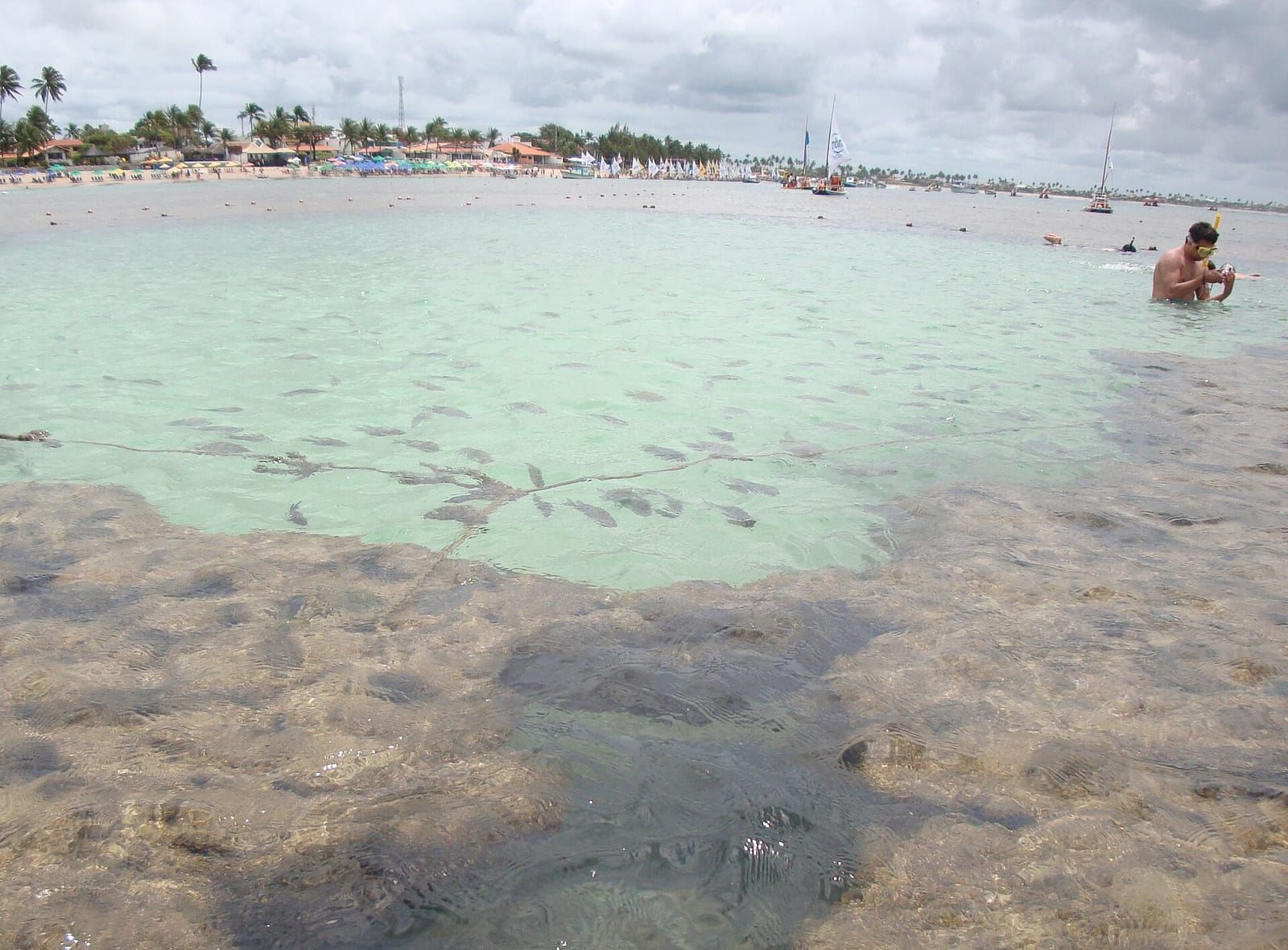 Porto de Galinhas FAQ Short, sourced answers to the most common questions from visitors to Porto de Galinhas. Read guide
 -
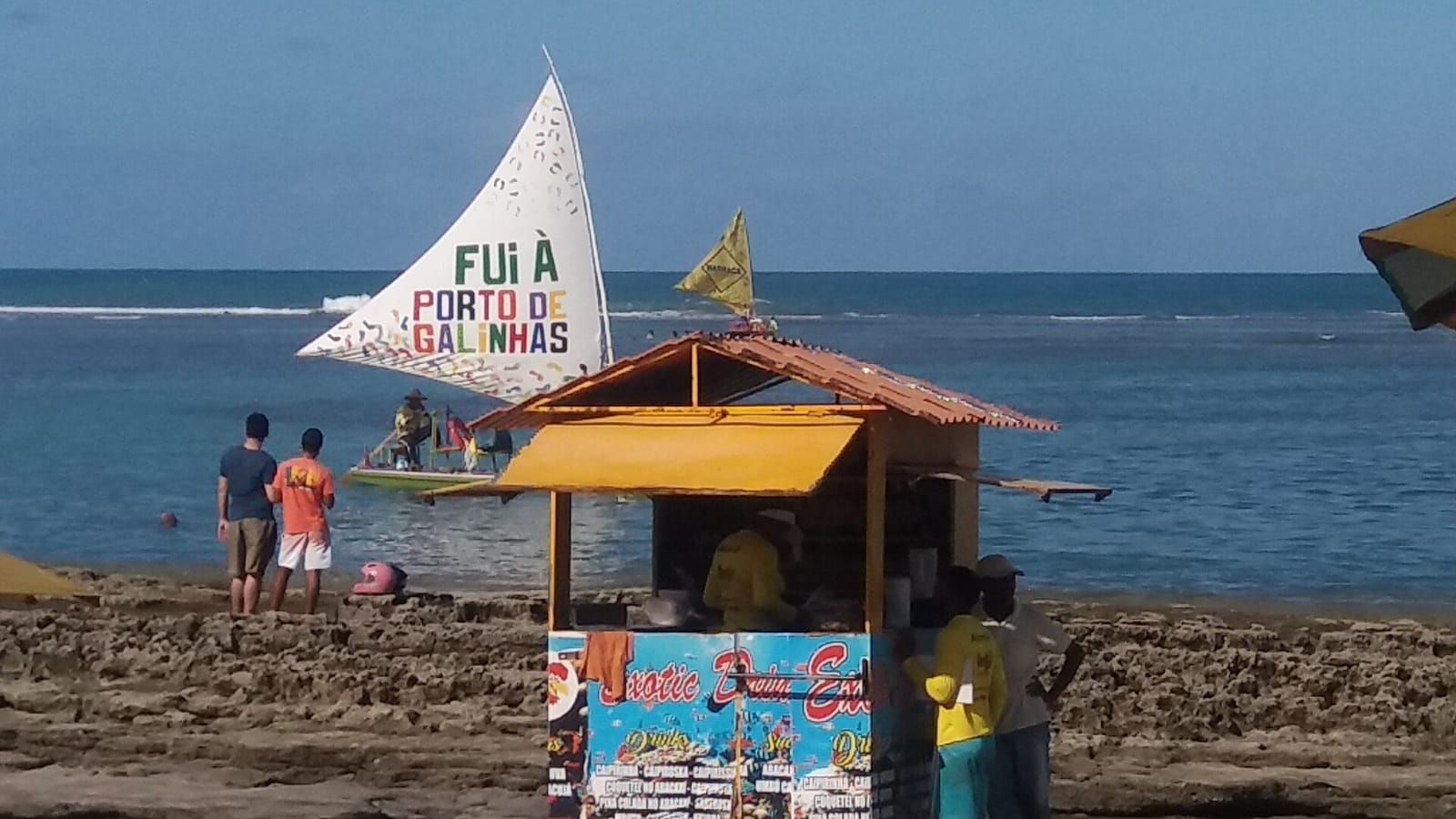 Shopping in Porto de Galinhas: handicrafts and souvenirs The chicken is the symbol of the village and its handicrafts. See what to buy, where to look and how to support local work. Read guide
 -
 Plan your trip to Porto de Galinhas Everything to decide before you go: season, tides, transportation, budget and safety, with a checklist. Read guide