Where to eat in Porto de Galinhas: local food and areas
Seafood, Pernambuco-style peixada, tapioca and bolo de rolo. Find out what to try and where the restaurants are.
Updated on October 5, 2026 ✓ Information checked on October 5, 2026 adapted from the Portuguese original
Eating well is part of a trip to Porto de Galinhas. Ipojuca City Hall describes a village with a wide variety of restaurants, from upscale to casual, and highlights regional seafood dishes. This guide shows what to try and where to look, without recommending specific places.
What to try
| Dish or item | What it is |
|---|---|
| Peixada pernambucana | Fish stewed with vegetables and seasonings, listed by Ipojuca City Hall among the highlights |
| Shrimp and lobster | Highlights of the local menu, according to the city hall |
| Fried or grilled fish | A beachside classic, served with simple sides |
| Caldinhos | Small cups of thick broth, common in bars and beach stalls |
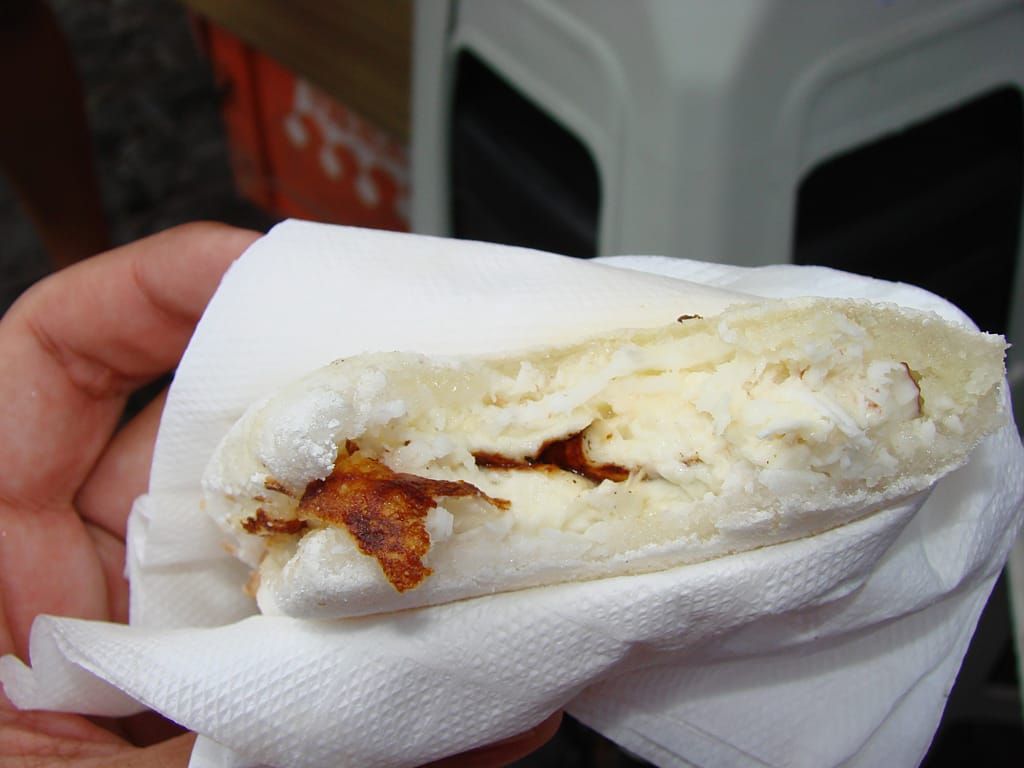
| Tapioca | A flatbread made from cassava starch, with sweet or savory fillings |
| Bolo de rolo | A cake of paper-thin layers rolled with guava paste |
| Cartola | A Pernambuco dessert of banana with cheese, sugar and cinnamon |
| Juices and ice creams from regional fruits | Cajá, cashew fruit, mangaba and others, depending on the season |
Bolo de rolo and tapioca: Pernambuco’s identity
Bolo de rolo is so closely tied to the state that it was written into law. State Law No. 13,436 of April 24, 2008 declared bolo de rolo Cultural and Intangible Heritage of Pernambuco. You will find it in bakeries, sweet shops and snack bars, and it makes a good souvenir to take home.
Tapioca is a constant at pousada (guesthouse) breakfasts and at stalls and snack bars. Fillings range from coconut with condensed milk to queijo coalho (a firm grilling cheese), carne de sol (salt-cured beef) and chicken.
Where the restaurants are
- Porto de Galinhas village: the largest concentration of restaurants, bars, ice cream parlors and snack bars. You can walk from one to the next. Get to know the village.
- Main beach: stalls and kiosks with snacks, drinks and simple meals, plus street vendors.
- Muro Alto and Cupe: many guests eat at their resorts. There are restaurants around, but with less variety than in the village.
- Maracaípe and Serrambi: fewer, more spread-out options, geared to the beach and lunch. At night, the village is usually where people go.
How to eat well and spend less
- Ask prices first, especially at beach stalls and for seafood priced “by the kilo”, such as lobster and shrimp.
- Share dishes. Many seafood portions serve two or more people. Ask about the size.
- Have lunch outside peak hours, when restaurants are less crowded.
- Alternate restaurant meals with snacks, tapioca and supermarket food.
- Bring water to the beach instead of buying everything on the sand.
Breakfast and snacks
A regional breakfast usually includes tapioca, corn cuscuz (steamed cornmeal), macaxeira (cassava), eggs, queijo coalho, tropical fruit and juices. Many pousadas serve this kind of menu. If breakfast is not included in your rate, bakeries and snack bars in the village have you covered before the beach.
In the afternoon, after the trip to the pools, a light snack works better than a heavy lunch in the heat. Caldinhos, portions of fried fish and regional fruit ice creams are common choices.
Dietary restrictions
If you do not eat seafood, you will find meat, poultry and vegetarian dishes, especially in the village. For specific diets, such as gluten-free or vegan, there is less variety. Ask about ingredients before ordering and, if necessary, choose accommodation with a kitchen.
Seafood, responsibly
Choose licensed establishments that keep their fish properly. On very hot days, avoid seafood that has been left out in the sun. If you are allergic to shellfish, say so before ordering broths and sauces, which may contain shrimp.
Eating at night
The village is the center of nightlife, and many restaurants stay open late, especially in high season. To combine dinner with live music and a stroll, see Porto de Galinhas nightlife.
Sweets and edible souvenirs
Bolo de rolo, regional fruit sweets and cashew nuts make good souvenirs. For handicrafts and other shopping, see shopping in Porto de Galinhas. And to plan your food budget, check trip cost.
Frequently asked questions
What is the typical food in Porto de Galinhas?
Seafood is at the heart of the menu. Ipojuca City Hall highlights Pernambuco-style peixada (fish stew), shrimp, lobster and fresh seafood. From Pernambuco cuisine, it is also worth trying tapioca and bolo de rolo.
Where are the restaurants?
Most are in Porto de Galinhas village, near the main beach. Muro Alto and Cupe have restaurants in the resorts themselves and a few around them; Maracaípe and Serrambi have fewer options.
Is bolo de rolo really from Pernambuco?
Yes. State Law No. 13,436 of April 24, 2008 declared bolo de rolo Cultural and Intangible Heritage of the State of Pernambuco.
How can I avoid surprises on the bill at a beach stall?
Ask the prices before ordering and refuse any minimum spend. In December 2025, Ipojuca City Hall announced stepped-up inspections against tie-in sales and minimum spend charges on the beach.
Keep reading
Keep planning
-
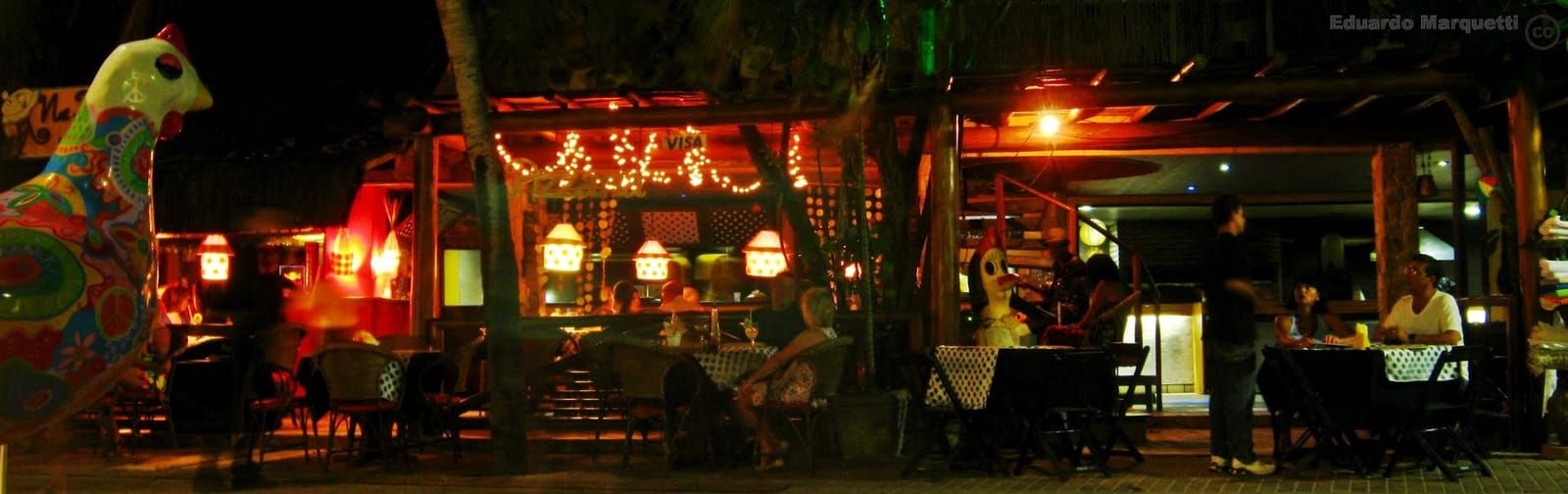 Porto de Galinhas nightlife: what to expect at night Nightlife centers on the village: bars with live music, restaurants, ice cream parlors and shops open late. Read guide
 -
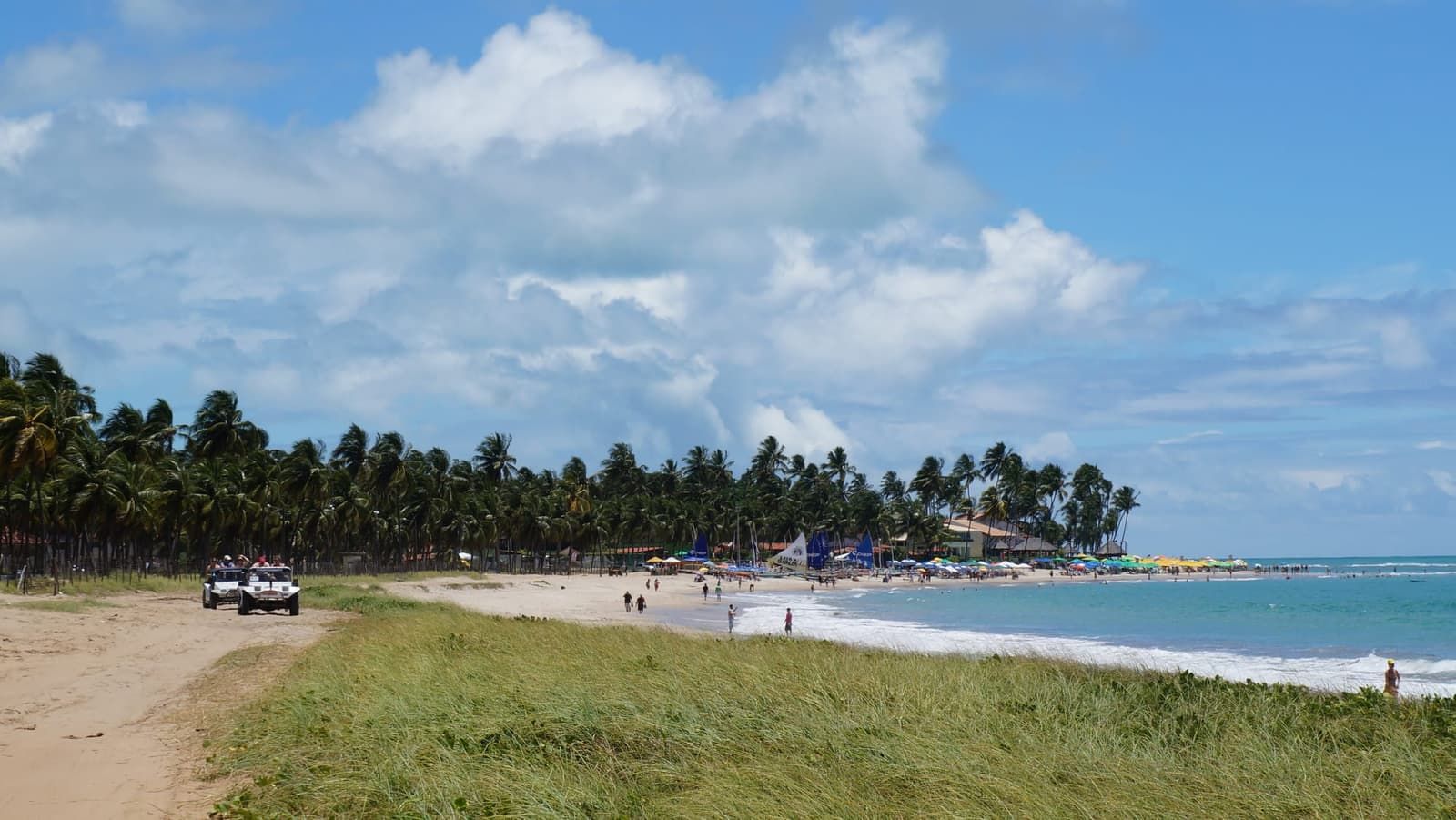 How much does a trip to Porto de Galinhas cost: complete price guide Transport, outings, beach stalls, restaurants and small fees, with what has a set price and what varies. Plus how much to set aside per person per day for three travel styles. Read guide
 -
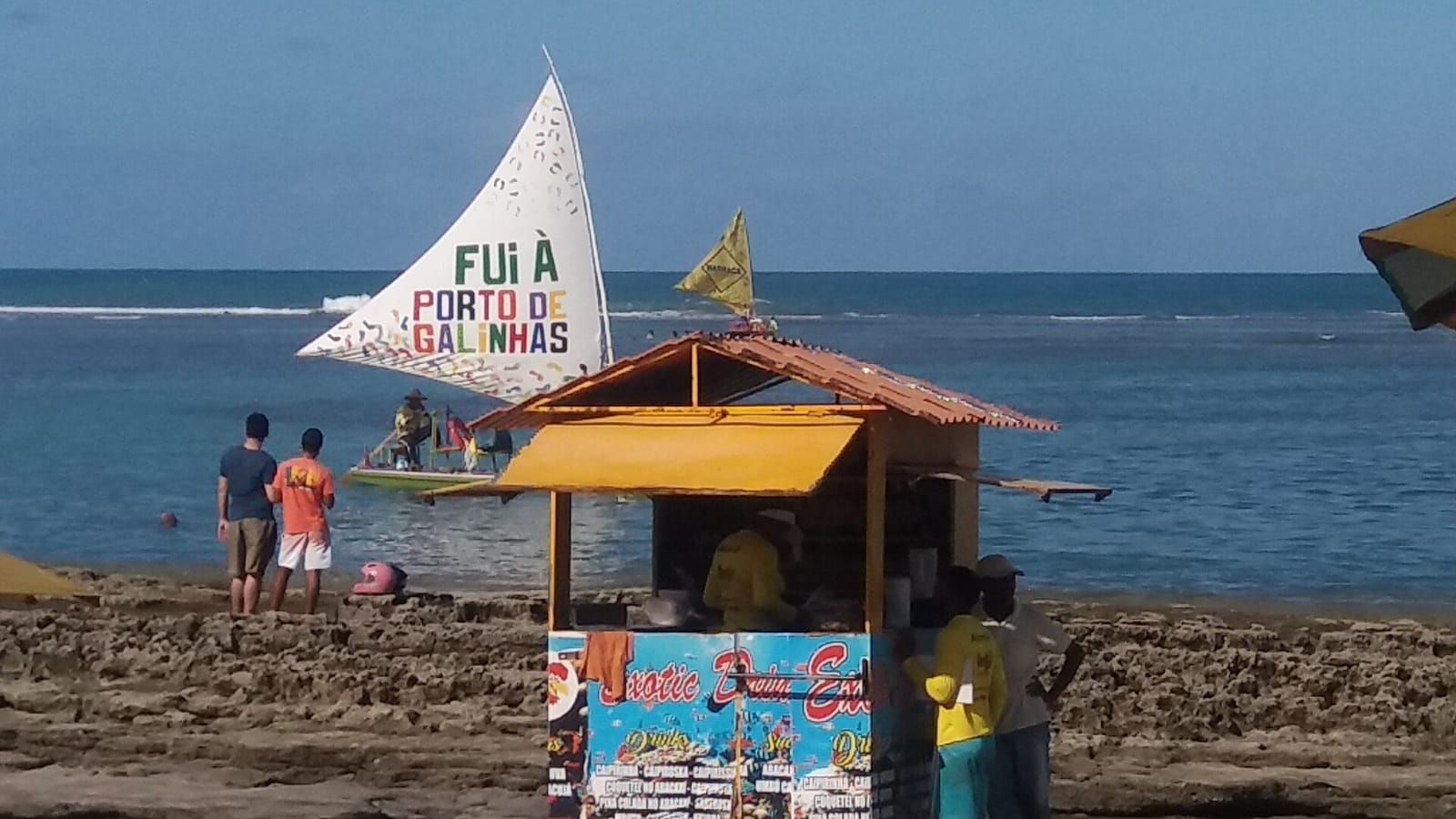 Shopping in Porto de Galinhas: handicrafts and souvenirs The chicken is the symbol of the village and its handicrafts. See what to buy, where to look and how to support local work. Read guide