- Type
- Beach
- Area
- South coast of Ipojuca
- Free access
- Yes
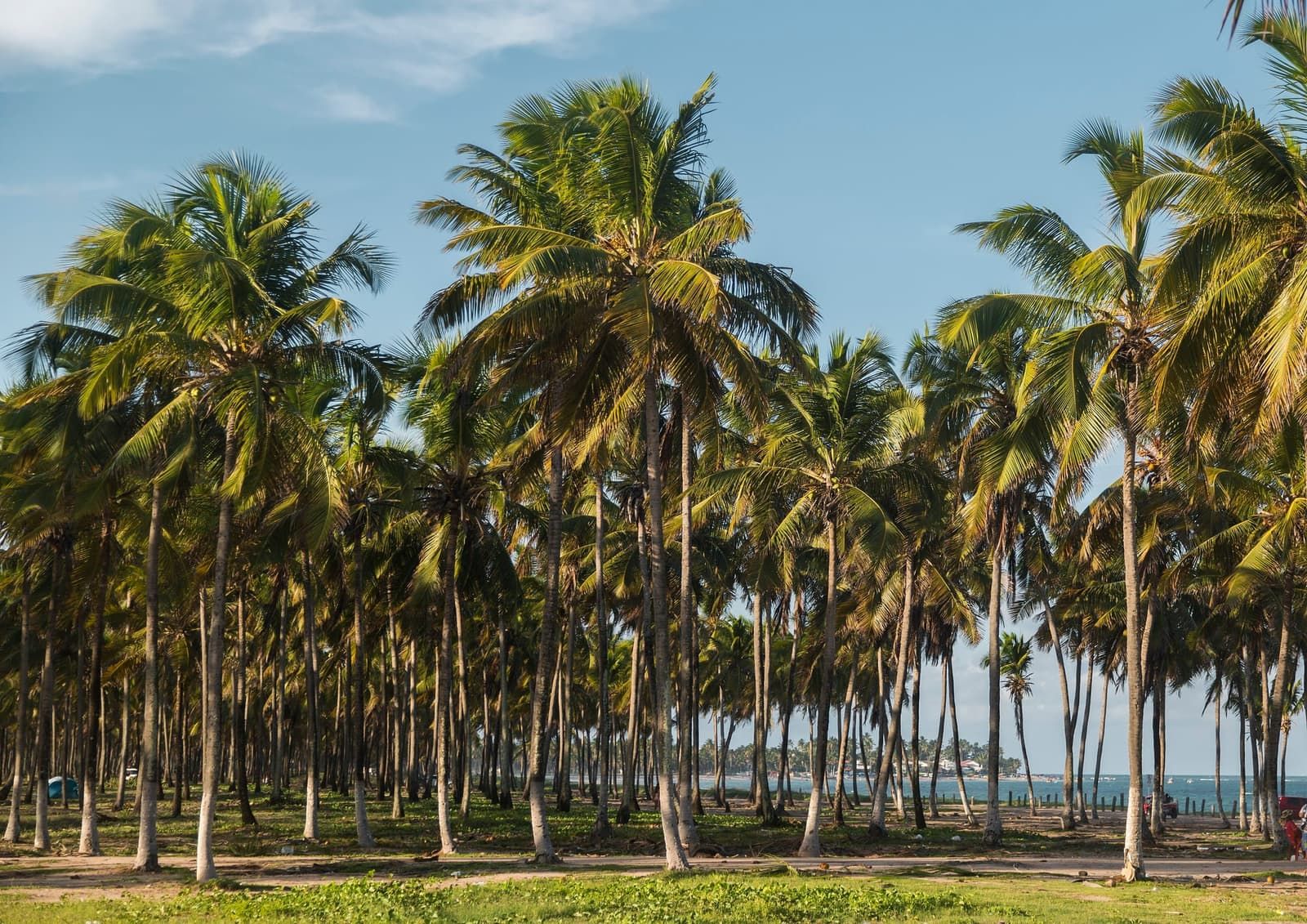
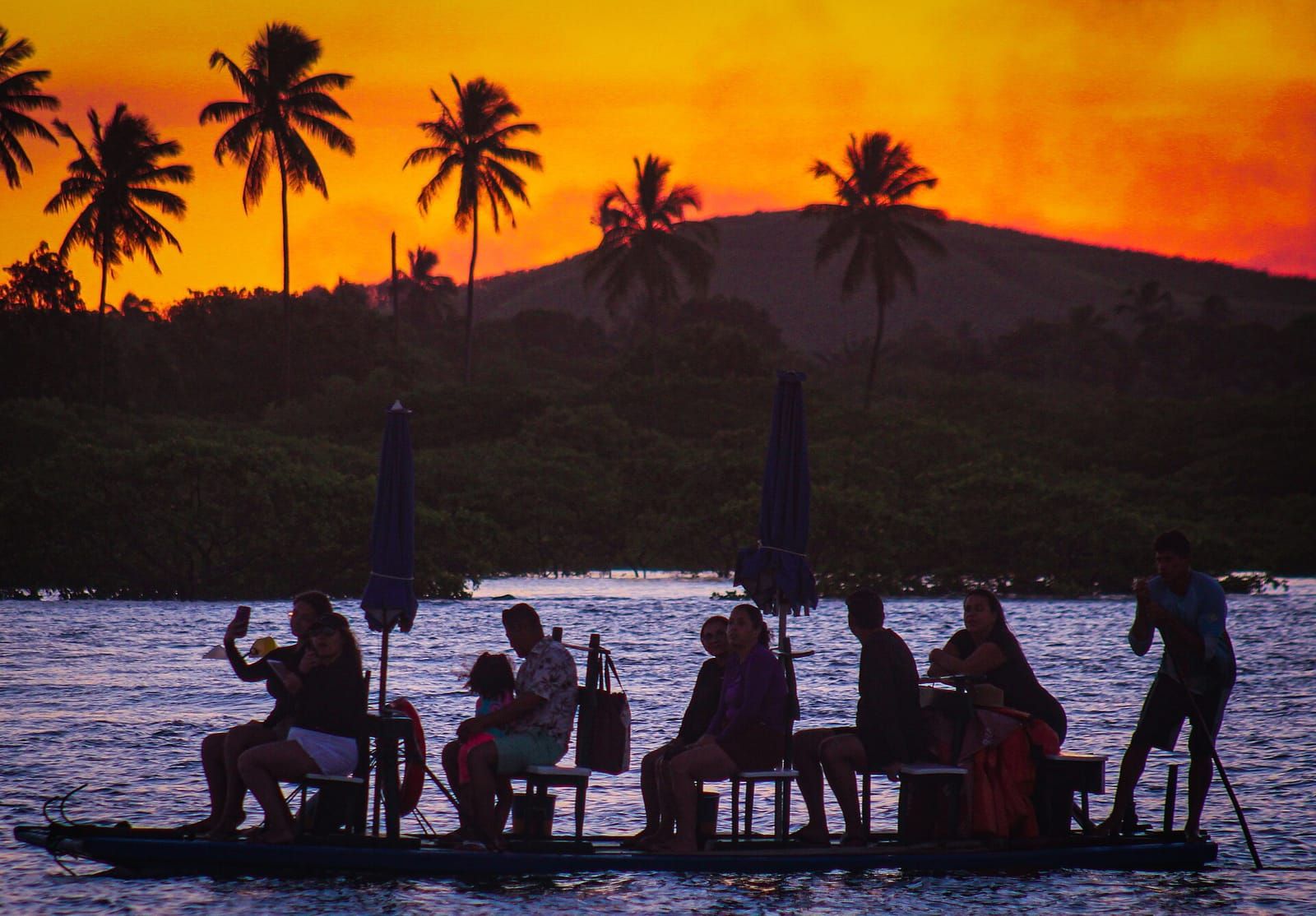
Maracaípe is the surf beach of Porto de Galinhas. According to Ipojuca City Hall (Ipojuca is the municipality the area belongs to), it is famous for waves ideal for the sport and often hosts national and international competitions. At its southern end, the Maracaípe River meets the sea and forms Pontal de Maracaípe, with mangroves, jangada (traditional raft boat) rides and seahorses.
Where it is and how to get there
Ipojuca City Hall says Maracaípe lies about 3 km south of the village of Porto de Galinhas. From Recife International Airport (REC), it is about 65 km via the PE-009 highway, roughly one hour and twenty minutes by car.
From the village, you can go by car, taxi, ride-hailing app or buggy. If you like walking, you can follow the sand at low tide, keeping the heat and your return time in mind.
The name
According to the city hall, Maracaípe is of Indigenous origin and means “River of the Maracás” (maracas, rattles).
Who it suits
- Surfers: it is the go-to beach in Ipojuca. See tips on skill level, season and gear in surfing in Maracaípe.
- Beginners: if you book a lesson or rent a board, check the price and the instructor’s experience before committing.
- Couples and groups: the vibe is more laid-back than in the village, with rustic bars facing the sea, according to Ipojuca City Hall.
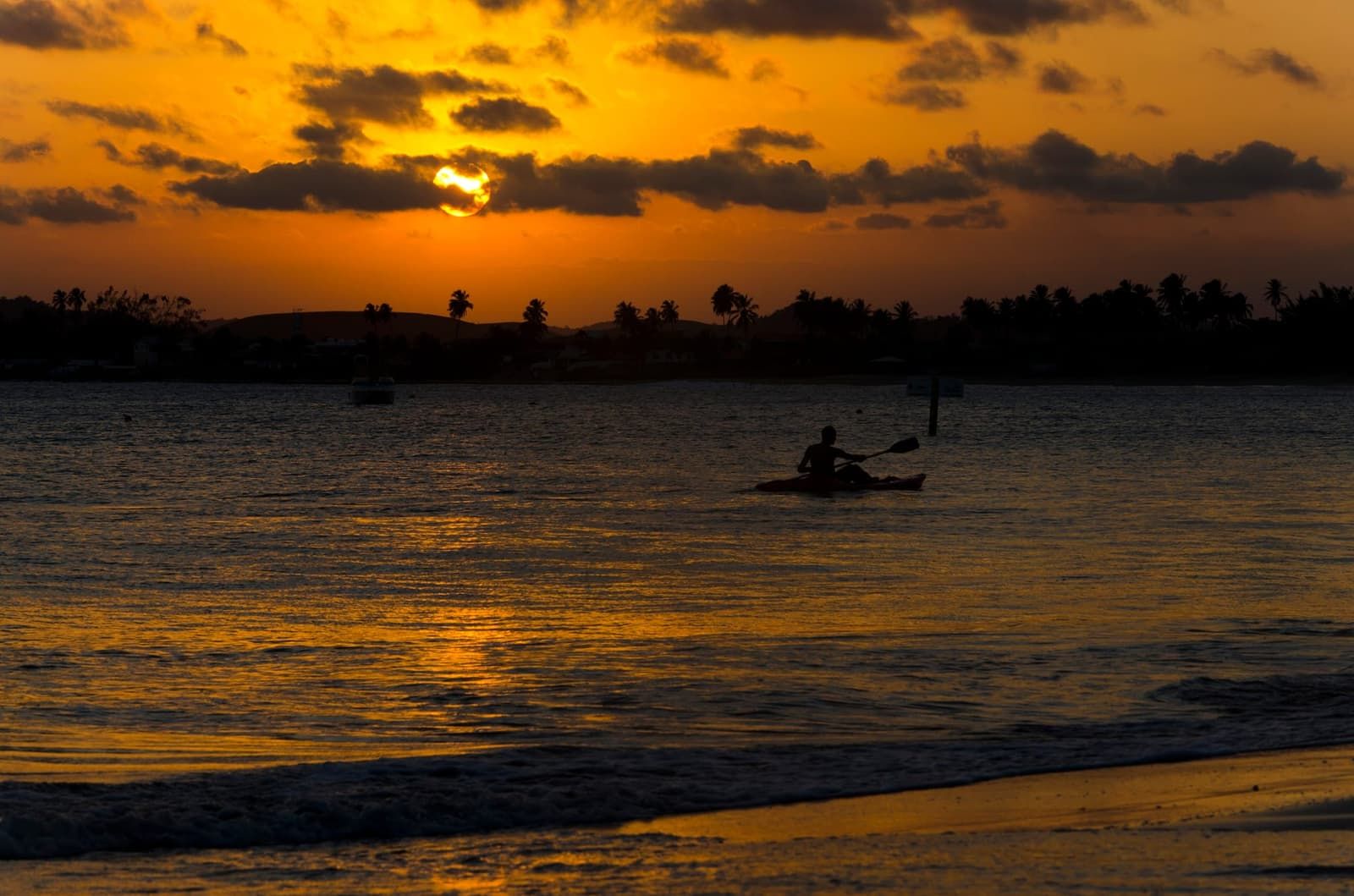
- Late afternoon: sunset at the Pontal is one of the attractions the city hall highlights.
Facilities
Ipojuca City Hall mentions several beachfront bars and restaurants, many in a rustic style, and lodging in nearby guesthouses (pousadas) and hotels. Facilities vary with the season.
Sea and tides
The main beach is open sea, with waves. It is great for surfers and calls for caution if you just want to swim. Conditions change with the tide, the wind and the swell. Check the official forecast in the Porto de Galinhas tide table and, for surfing, keep an eye on wave conditions too.
Environmental care
The Maracaípe River estuary is part of the Sirinhaém and Maracaípe Rivers Estuarine Environmental Protection Area, created in 1986, managed by the state environmental agency CPRH and covered in mangrove forest. The sea in front of it is in the Serrambi Reefs Marine Environmental Protection Area. Pick up your trash, leave nothing in the mangroves and follow the instructions of the jangadeiros (raft boatmen) and lifeguards.
How to fit it into your itinerary
Maracaípe works well for an afternoon: beach and surf after lunch, the Pontal at the end of the day for sunset. If you want to see the seahorses, leave time for the jangada ride in the estuary.
Photos
Practical tips
- If you do not surf, watch the flags: the waves that draw surfers call for care when swimming.
- If you book a surf lesson, check the price and the instructor's experience before committing.
- End the day at the Pontal to watch the sunset, as Ipojuca City Hall suggests.
- Do not go into the sea near the river mouth without local guidance.
Frequently asked questions
How far is Maracaípe from Porto de Galinhas village?
About 3 km south of the village, according to Ipojuca City Hall. From Recife airport (REC) it is about 65 km, roughly 1 hour 20 minutes via the PE-009 highway.
Is Maracaípe good for surfing?
Yes. Ipojuca City Hall describes Maracaípe as famous for waves ideal for surfing and a frequent host of national and international competitions.
Is Maracaípe good for children?
The sea at the main beach has waves and calls for attention. For children, the Pontal area, with river water, and the village's pools are usually better choices, always with supervision.
What does Maracaípe mean?
According to Ipojuca City Hall, the name is of Indigenous origin and means 'River of the Maracás' (maracas, rattles).
Combine with
-
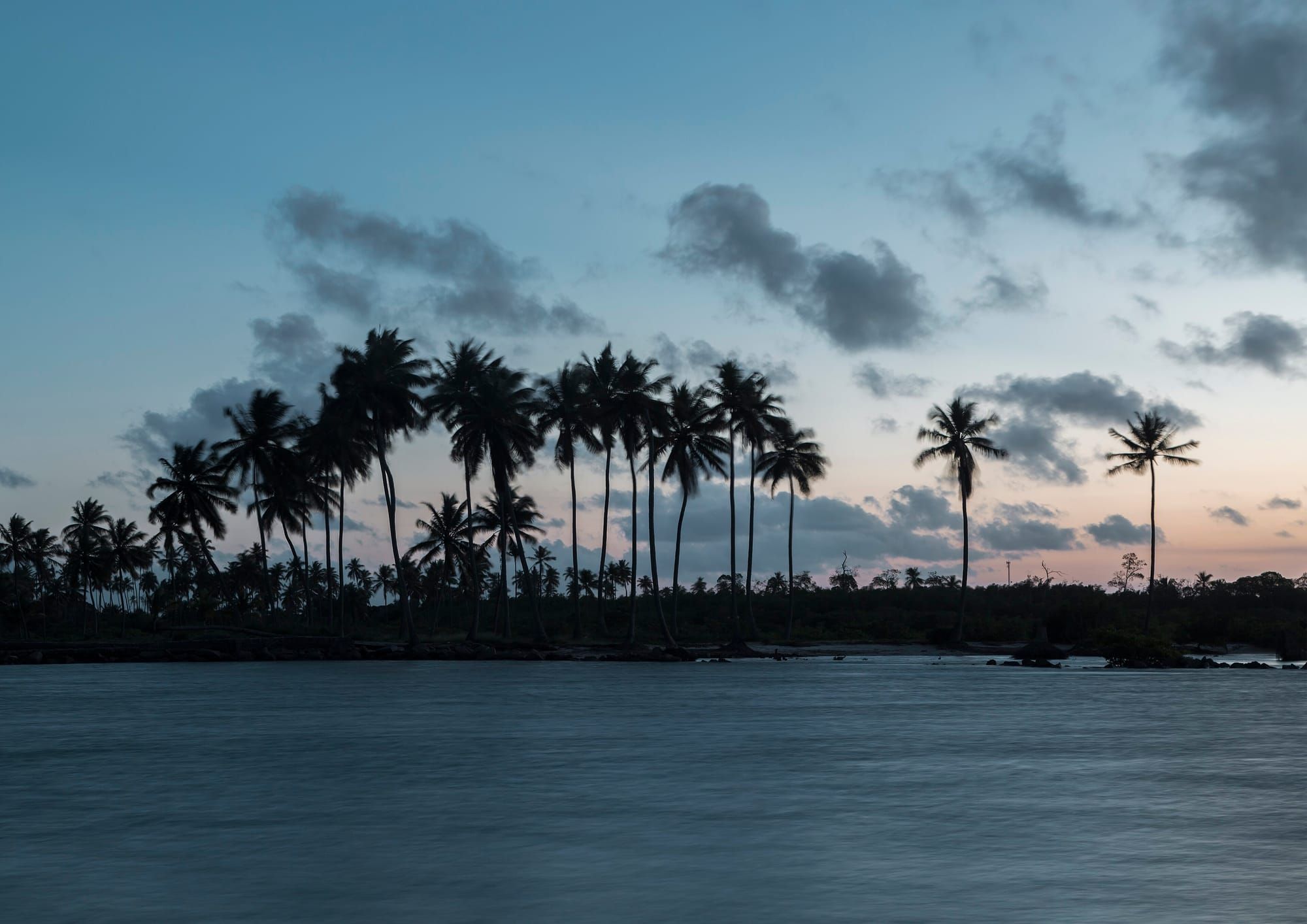 Free access Nature South coast of Ipojuca Pontal de Maracaípe The southern tip of Maracaípe, where the river meets the sea among mangroves. A spot for jangada rides, kayaking, seahorses and sunset. See details
 -
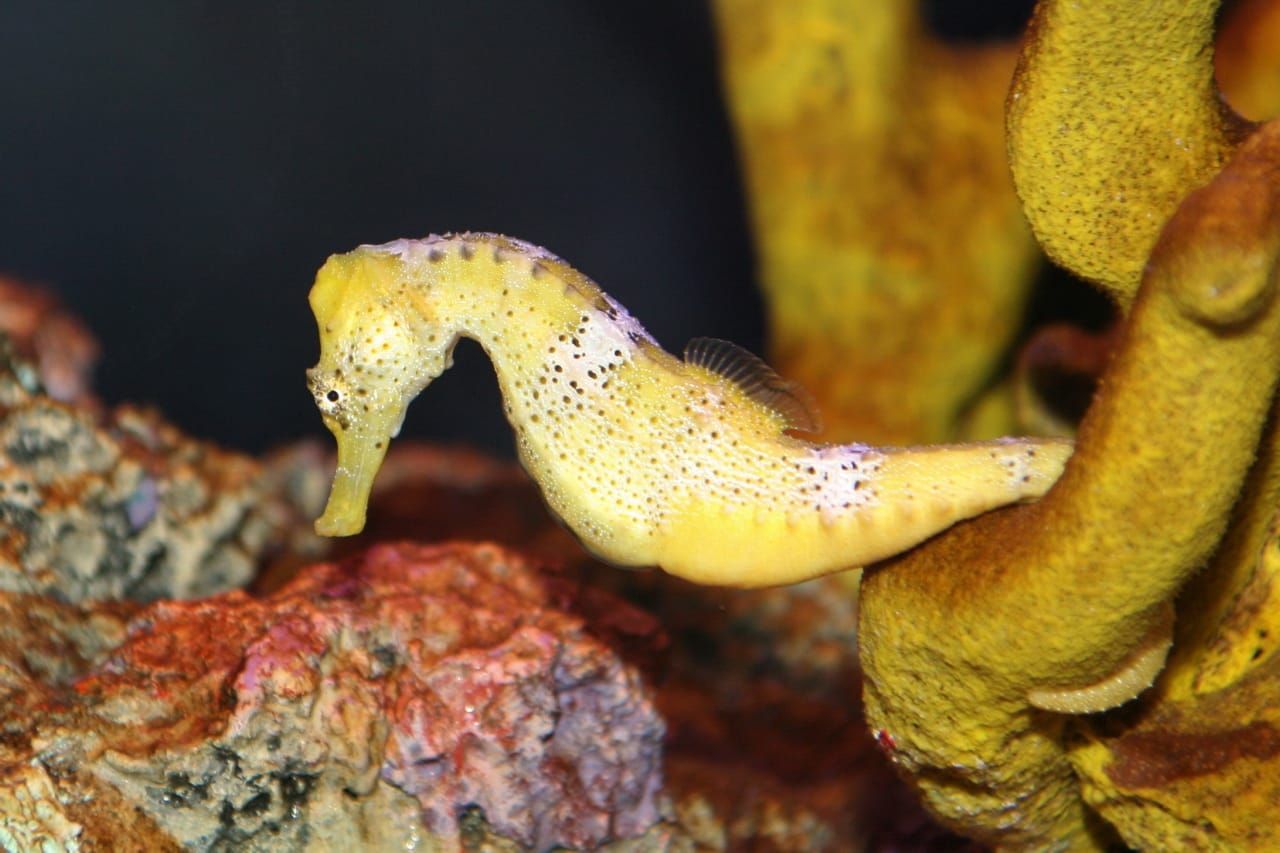 Paid Tour South coast of Ipojuca Maracaípe Seahorses The Maracaípe River estuary is home to Hippocampus reidi, an endangered seahorse species. You see them on a jangada (traditional raft boat) ride through the mangroves. See details
 -
 Free accessTide-dependent Beach South coast of Ipojuca Serrambi Beach A beach in southern Ipojuca, between Pontal de Maracaípe and Toquinho, with one side sheltered by reefs and the other open to the sea. Quieter than the village. See details