- Type
- Beach
- Area
- North coast of Ipojuca
- Free access
- Yes
- Depends on the tide
- Yes
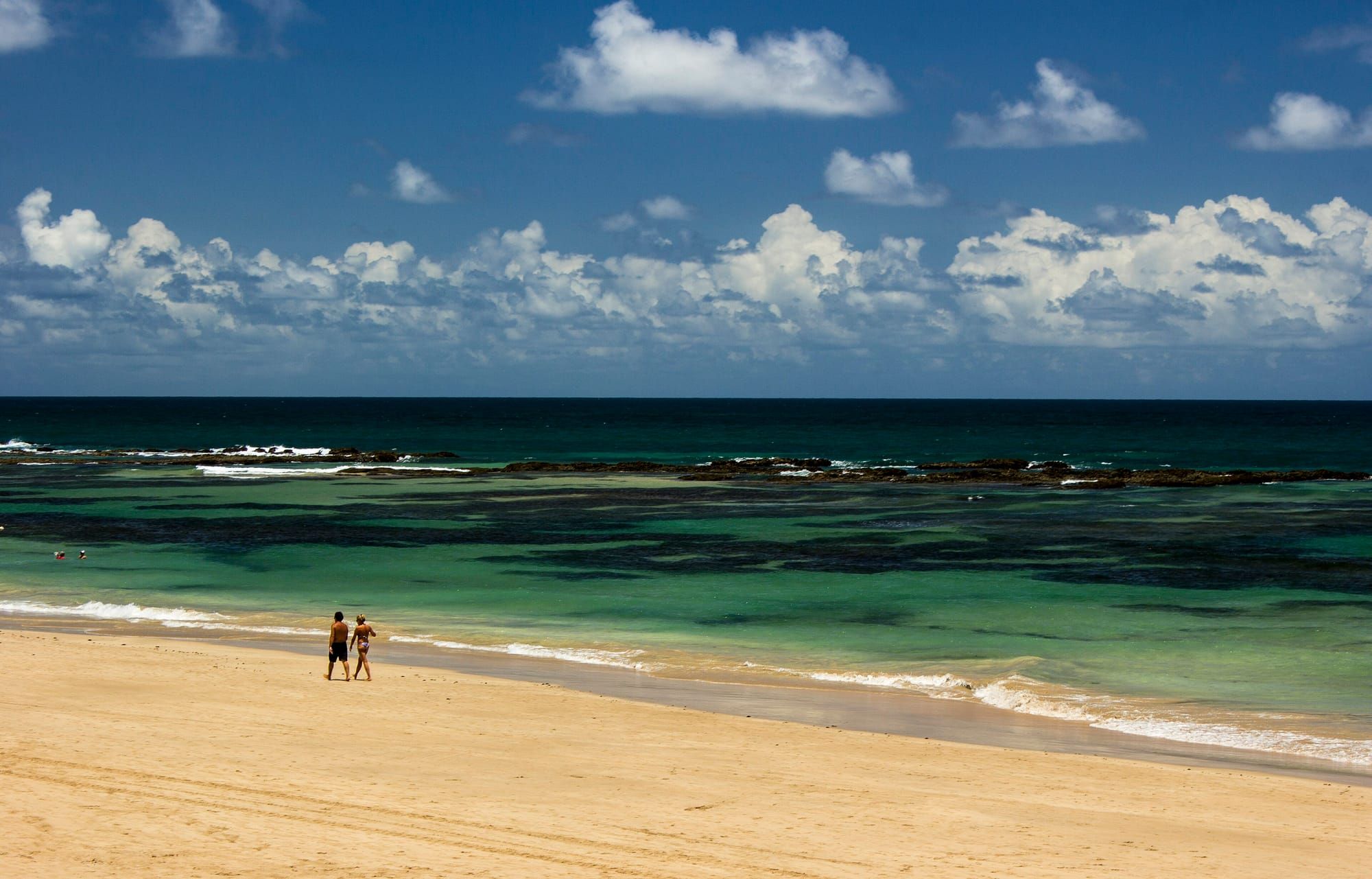
Cupe lies on the northern stretch of the Porto de Galinhas shoreline, between Muro Alto and the village, in the municipality of Ipojuca. It is one of the longest beaches in the area, with about 4.5 km of shoreline, according to Wikipedia. The sea is open, with strong waves, but stretches of reef form pools of clear, warm water at low tide.
Where it is and how to get there
Cupe runs between Muro Alto and the village area. The exact distance to the village center was not confirmed by an official source and is therefore not given here. In practice, you get there by car, taxi, ride-hailing app or buggy, since Ipojuca City Hall includes Cupe among the beaches visited on buggy rides from the village.
The shoreline has many hotels and pousadas (guesthouses). Look for the signposted public access paths to the sand.
What the sea is like
Cupe has two faces:
- open sea, with strong, wild waves, good for surfing;
- reef stretches, which form natural pools of clear, warm water at low tide.
That means the same beach can be great for swimming in one spot and dangerous a few meters away. Choose your spot carefully and check the flags before going in.
When to go
For the pools between the reefs, go at low tide. For walking, any time works, but low tide leaves a wider strip of sand. The official forecast is in the Brazilian Navy tide table for Porto de Suape; see how to read it in the Porto de Galinhas tide table.
Who it suits
- Surfers and bodyboarders with open-sea experience.
- People who like walking: the long shoreline makes for good walks at low tide.
- Families: only in the reef-sheltered stretches, at low tide and with lifeguards nearby.
For surfing with more surf-oriented facilities, see surfing in Maracaípe.
Environmental care
The sea at Cupe is part of the Serrambi Reefs Marine Environmental Protection Area, managed by the state environmental agency CPRH. Do not step on the reefs, do not feed the fish, do not take shells and pick up your trash.
How to fit it into your itinerary
Cupe pairs with Muro Alto on the same day, by car or buggy. If you are staying in Cupe, use the beach in the late afternoons and save low-tide mornings for the village pools.
Practical tips
- Only go into the sea near a lifeguard post and respect the flags.
- If you are caught in a rip current, do not swim against it: swim parallel to the beach and call for help.
- At low tide, look for the reef-sheltered stretches for a calmer swim.
- The shoreline is long: agree on a meeting point with your group beforehand.
Frequently asked questions
Is Cupe Beach good for swimming?
It depends on the stretch and the tide. Cupe has strong open-sea waves. At low tide, some reef stretches form pools of calmer water. Always follow the flags and the lifeguards.
Can you surf at Cupe?
Yes. The beach is known for strong waves that suit surfing. For beginners, the best-known surf spot in the area is Maracaípe.
How long is Cupe Beach?
About 4.5 km of shoreline, according to Wikipedia, which makes it one of the largest beaches in the area.
Is there a risk of drowning at Cupe?
There are rip currents along the Ipojuca coast, including at Cupe, where Folha de Pernambuco reported drownings. The currents are marked with flags by the Salvamar lifeguard service. Do not swim in flagged areas and avoid stretches without lifeguards.
Combine with
-
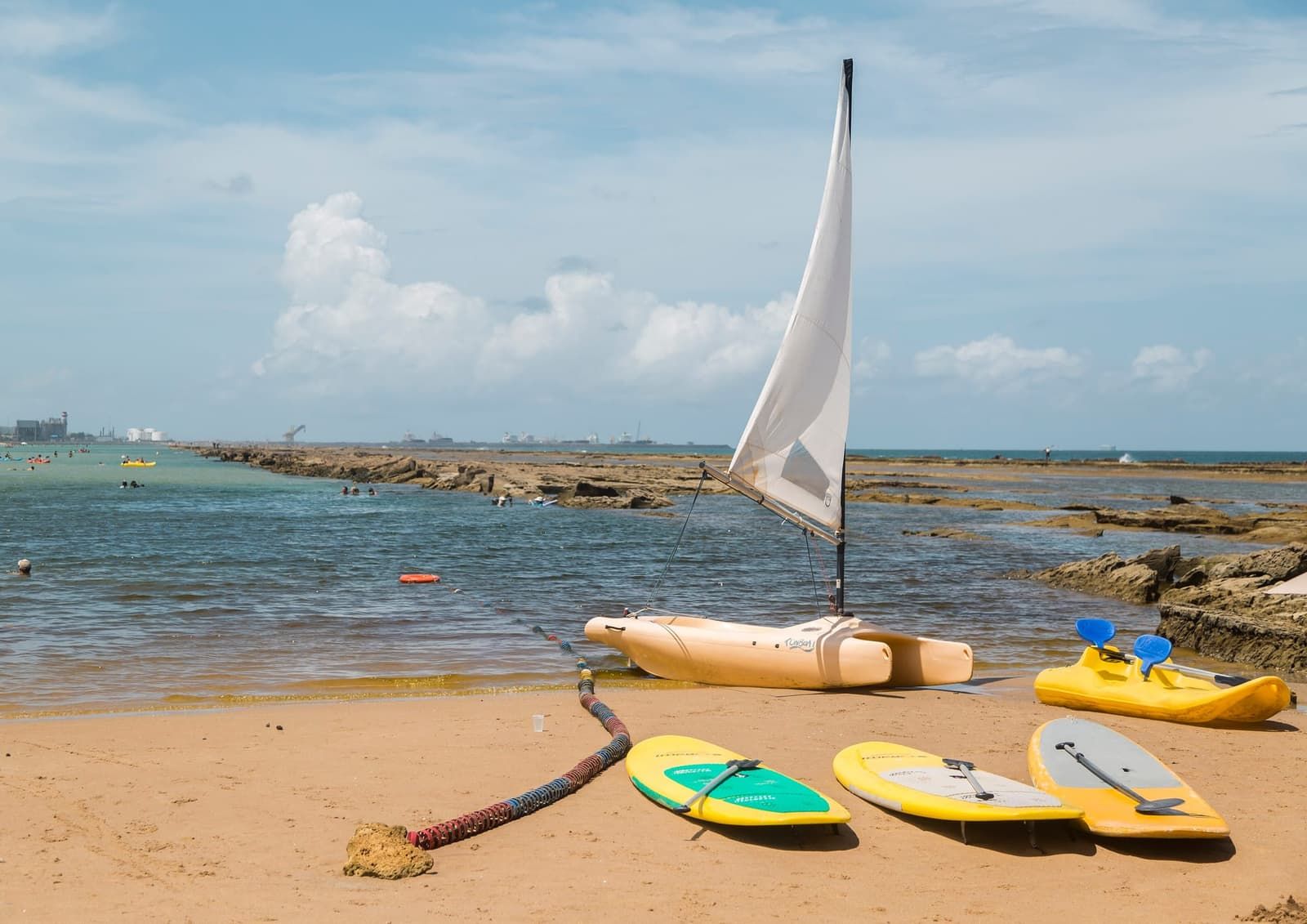 Free accessKidsTide-dependent Beach North coast of Ipojuca Muro Alto Beach The wall of reefs that gives the beach its name holds back the waves and creates a natural pool of calm, warm water about 3 km long. It is the reason many people make the trip. See details
 - Free access Beach North coast of Ipojuca Merepe Beach A quieter stretch between Cupe and the village, with open sea and waves. Good for walking; swim only with close attention to the flags. See details
-
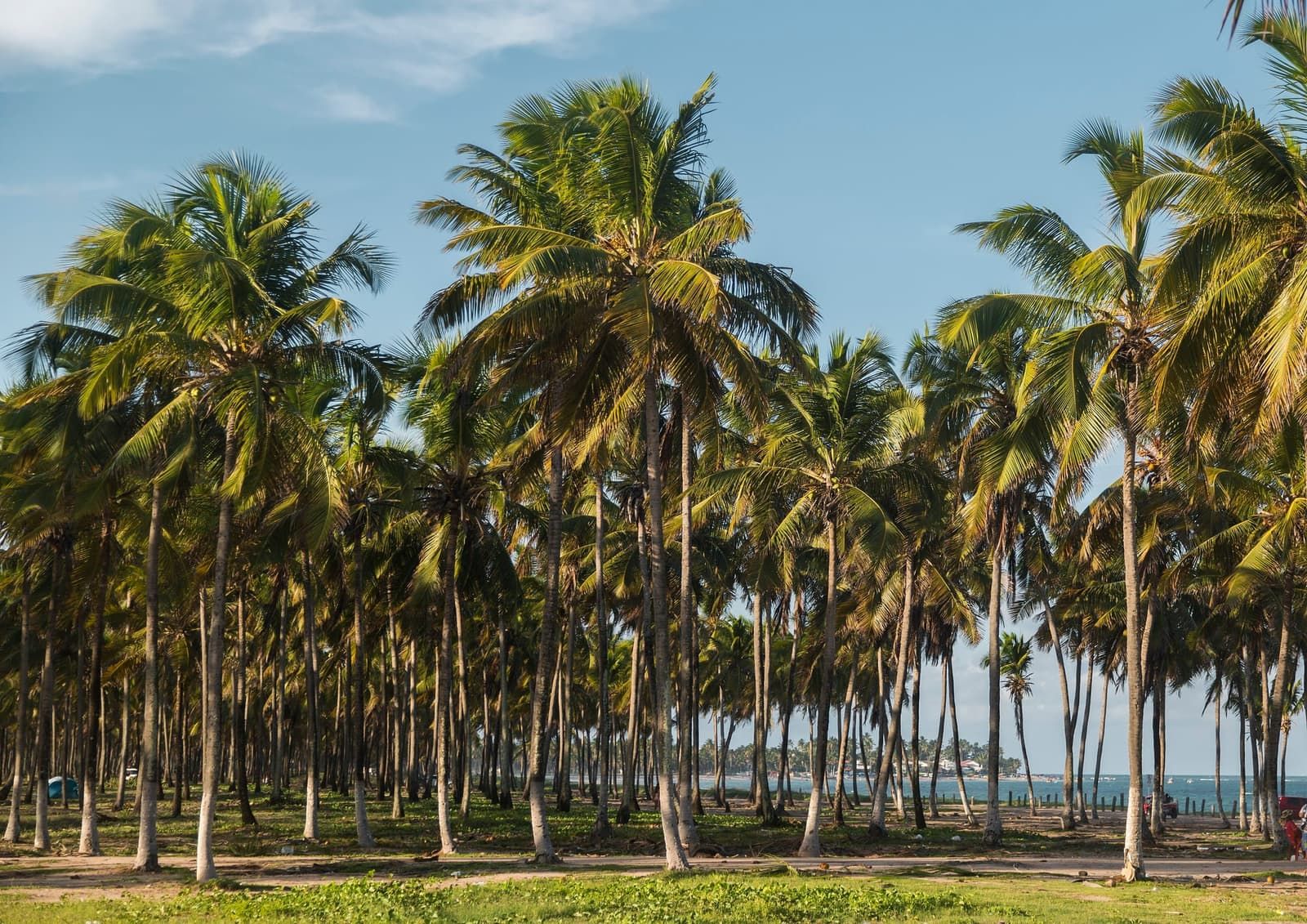 Free access Beach South coast of Ipojuca Maracaípe Beach The surf beach of Porto de Galinhas, about 3 km south of the village. At its southern end is the Pontal, where the river meets the sea. See details